Bébour-Bélouve, and Trou de Fer at the end
The essentials
- From the bungalow
- 1 h to 1 h 15 by road
- Start
- Bélouve refuge, Bébour-Bélouve forest road
- Distance
- about 9 km there and back
- Duration
- 3 to 4 h, little climb (~230 m)
- Difficulty
- moderate — the mud more than the gradient
- Best time
- set off before 8 am, the viewpoint clouds over
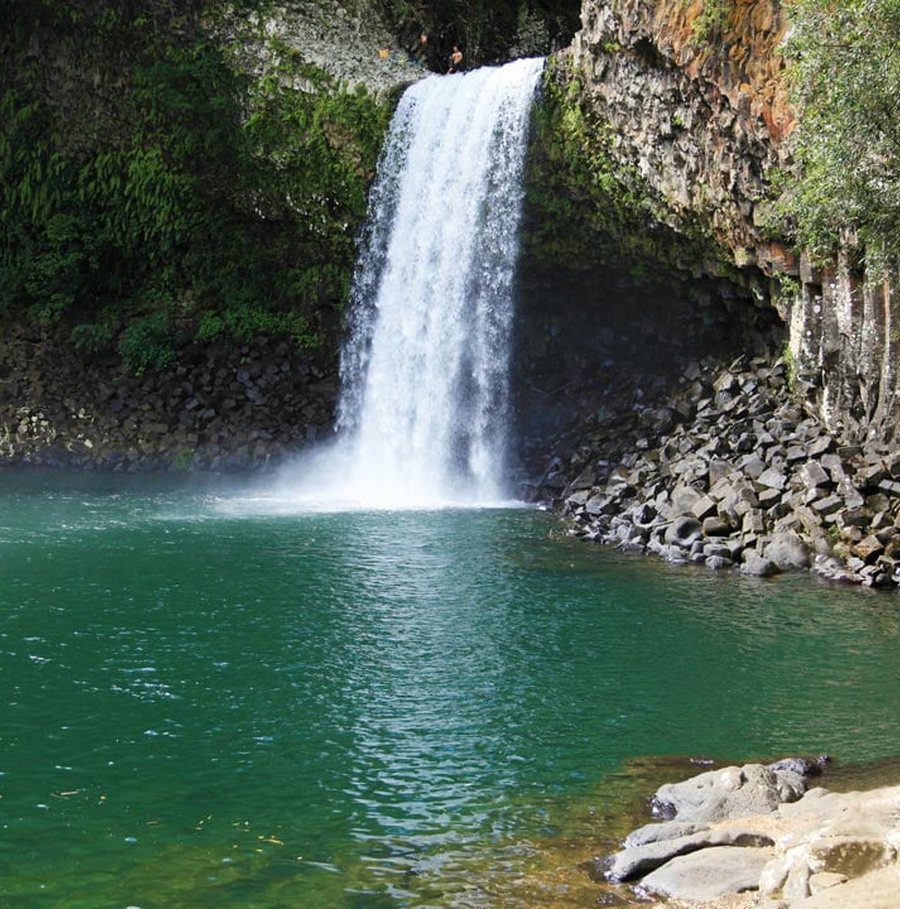
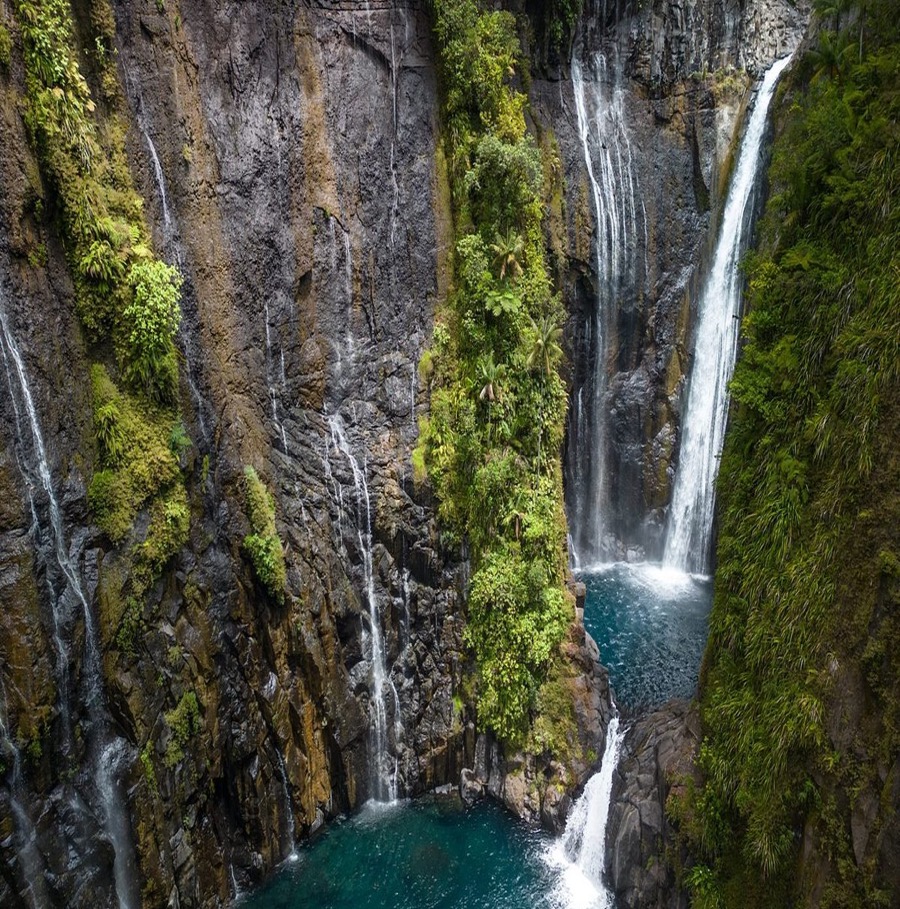
The Trou de Fer is one of the great walks on the island: a collapse cirque into which several waterfalls drop three hundred metres. There are only two ways to see it — by helicopter, or from a viewpoint at the end of a forest trail. It is the second that concerns us here.
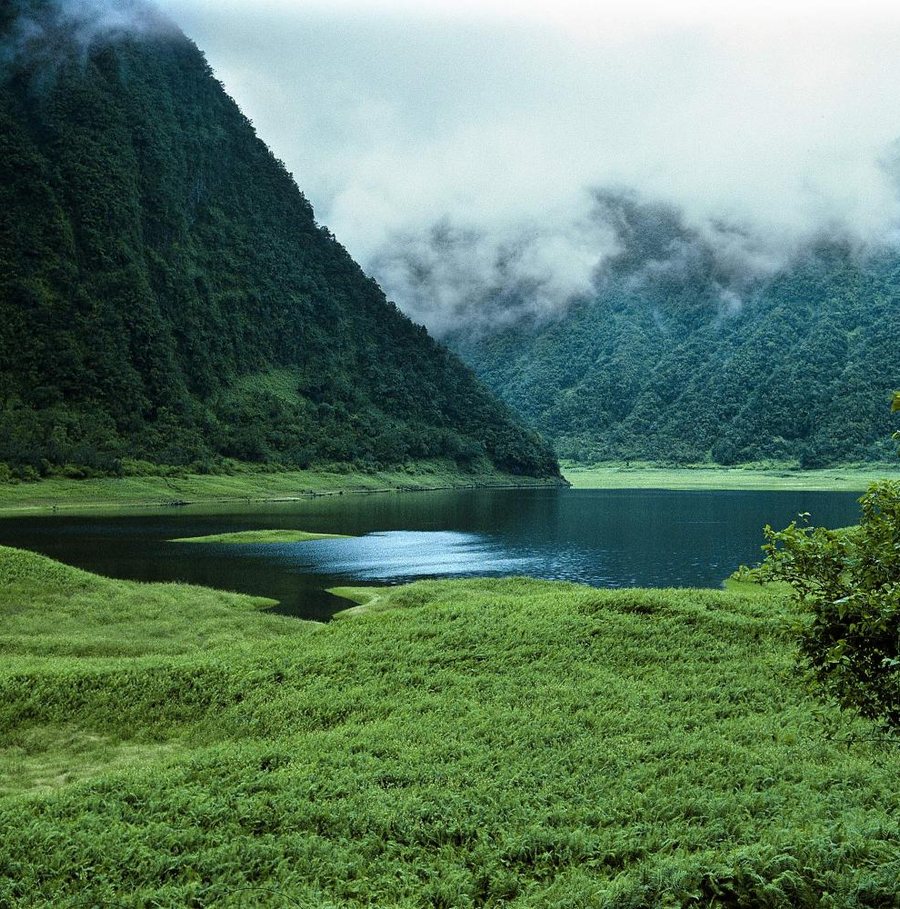
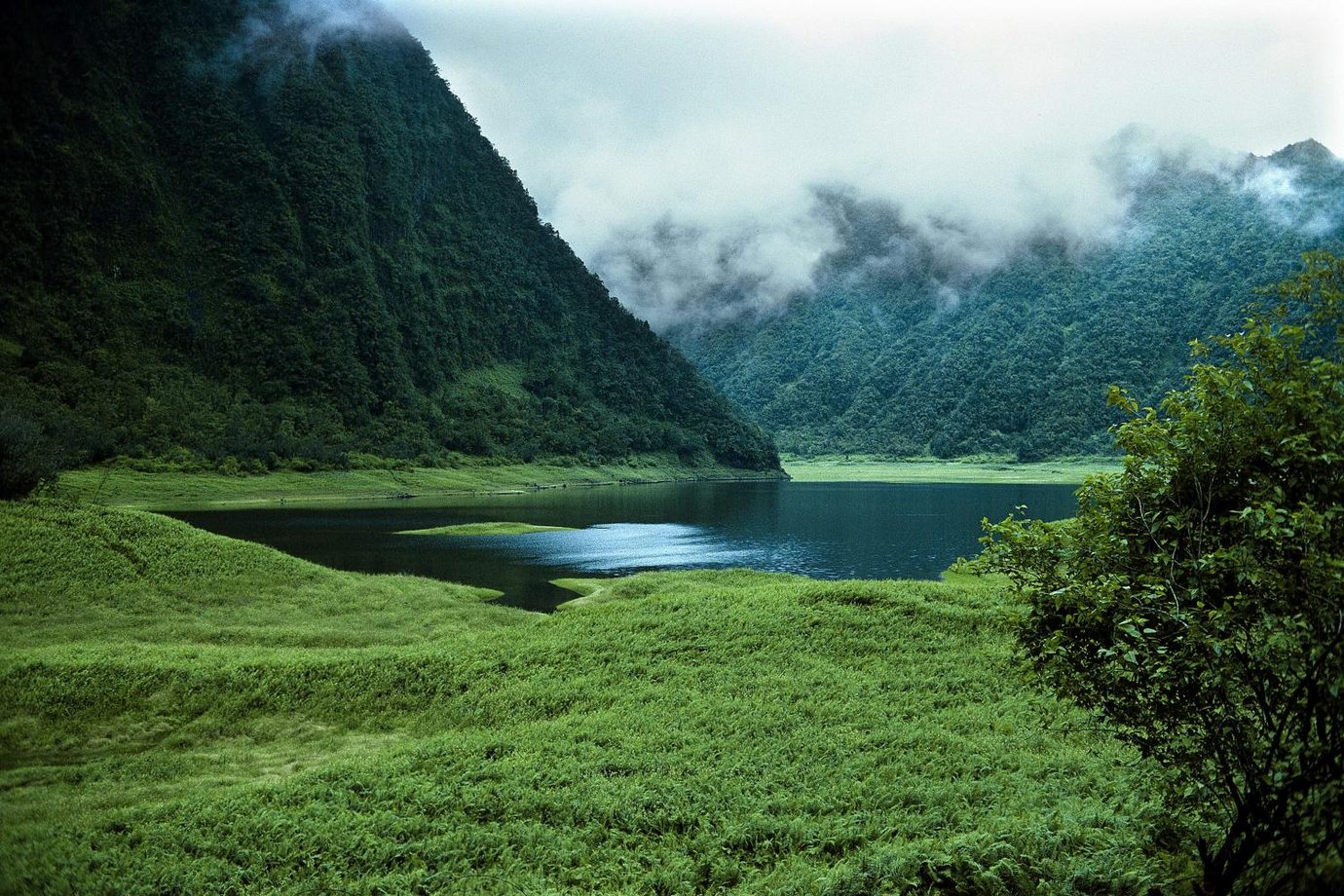
The walk crosses Bélouve, a primary forest of mountain tamarins covered in moss and tree ferns. The trail is boarded over much of its length, which is what makes it accessible to anyone who walks normally.
Getting there
From Saint-Benoît you climb through Salazie and Hell-Bourg, then take the forest road to the Bélouve refuge. Allow one hour to one hour fifteen from the bungalow. The car park is about three hundred metres before the refuge.
The other approach, via La Plaine-des-Palmistes and the Bébour forest road, is longer from the east. The forest road can close after heavy rain: check on the morning itself with the ONF or the national park, which publish trail closures.
The trail
About nine kilometres there and back, three to four hours of walking, for barely two hundred and thirty metres of climb. On paper it is easy. In practice the difficulty is not the gradient: it is the mud, present in every season, and the slippery roots between boardwalk sections.
- Ankle-height walking boots. City trainers will not do.
- Rain gear, even in fine weather on the coast: you are at 1,500 m in a forest that makes its own fog.
- Water: there is nothing along the route.
- Leave before 8 am. The viewpoint clouds over by mid-morning, and four hours of walking to look at white is a poor trade.
What you see at the end
The viewpoint looks down into the cirque from above. The waterfalls drop opposite and below, into a cauldron of vegetation. The sound reaches you before the sight. In clear weather you can make out the floor; the rest of the time mist rises and falls and the landscape appears in glimpses — which is not the worst of spectacles.
There is a second, shorter viewpoint about an hour from the refuge. That is the right option if you set off late, if the forecast is doubtful, or if you are walking with children.
The forest, worth the drive on its own
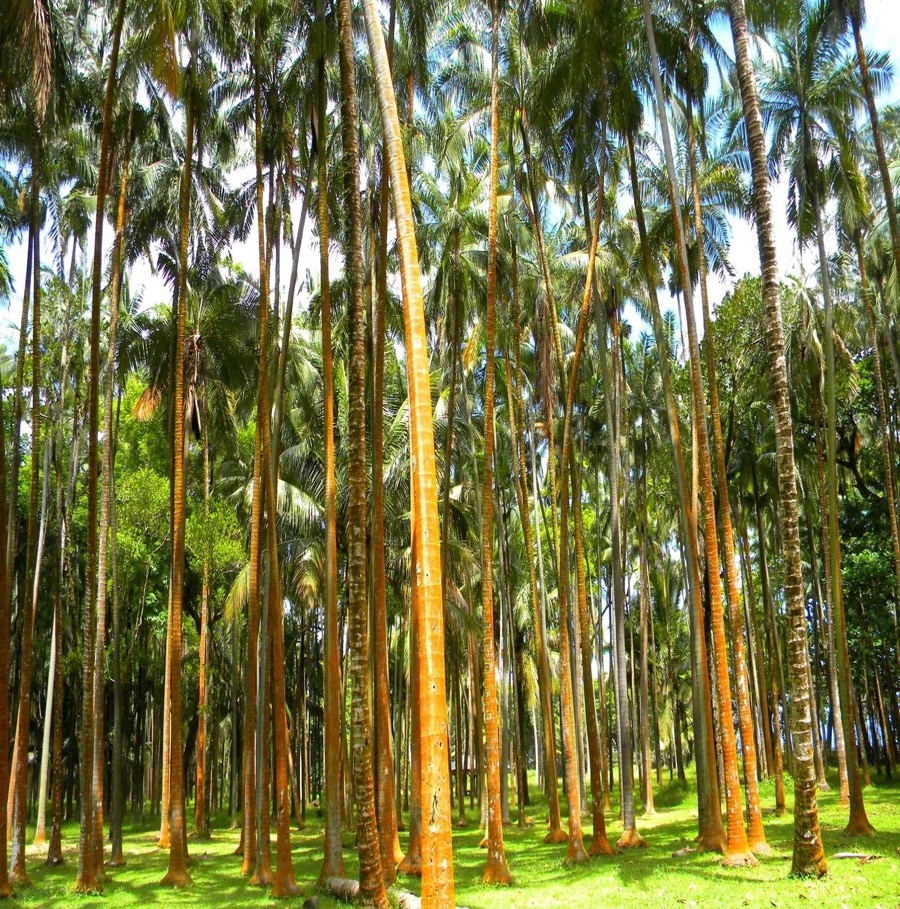
Even without the Trou de Fer, Bélouve justifies the climb. The mountain tamarins grow twisted, covered in moss and lichen, and the light coming through the canopy gives an impression of very old forest. It is one of the few places on the island where you walk through entirely native vegetation.
The Bélouve refuge, at the trailhead, serves meals and offers beds — useful if you want to be at the viewpoint at first light. Book ahead, especially in school holidays. Otherwise the climb from the coast fits neatly into a week’s stay.
Frequently asked questions
How long does the Trou de Fer hike take?
About 3 to 4 hours there and back from the Bélouve refuge, for 9 km and a modest climb of around 230 m.
Is the Trou de Fer hike difficult?
Moderate. The climb is slight and much of the trail is boarded, but mud is present in every season and the roots are slippery. Ankle-height boots are necessary.
Can you see the Trou de Fer without hiking?
Not from the ground: the only land access is the trail from Bélouve. The other way to see it is a helicopter flight.
What time should you set off for the Trou de Fer?
Before 8 am. The viewpoint generally clouds over by mid-morning, and the walk takes three to four hours there and back.
How far is it from Saint-Benoît to Bélouve?
One hour to one hour fifteen by road, climbing through Salazie and Hell-Bourg to the Bélouve forest road.
Written in Saint-Benoît, where we rent the bungalow, and updated on September 13, 2026. Access and swimming rules change: we always point to the authority in charge rather than speaking for it.