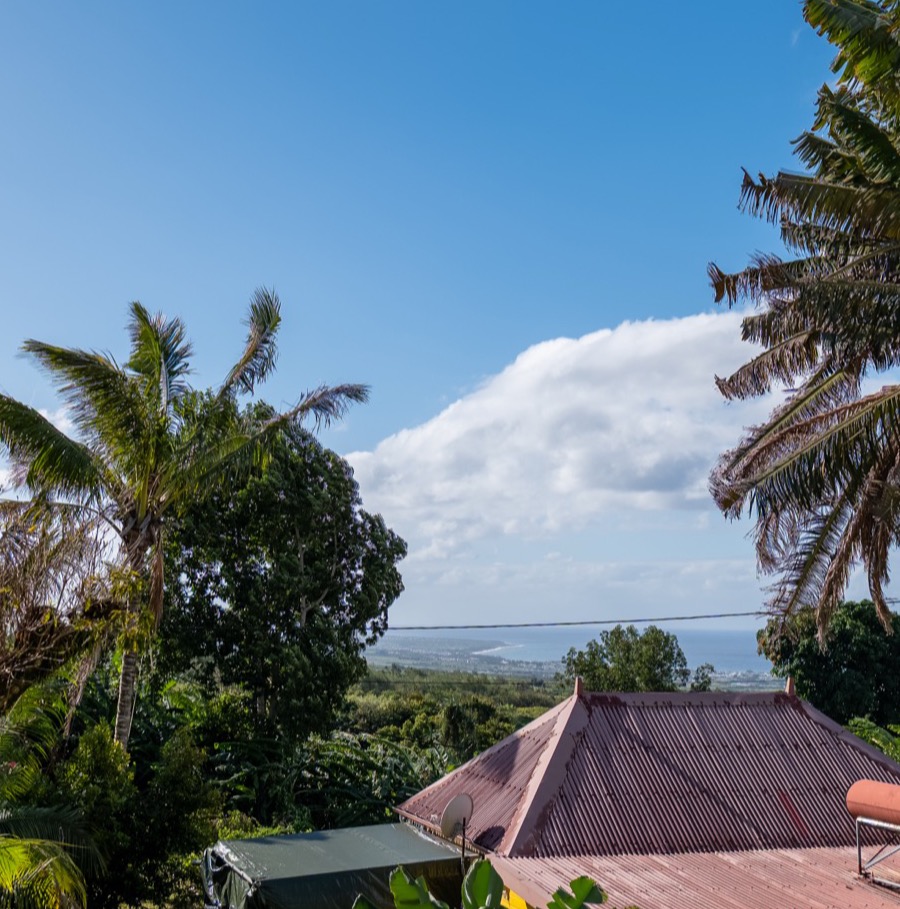
Hell-Bourg, and the Creole houses
The essentials
- From the bungalow
- 40 minutes by road
- Commune
- Salazie, at the bottom of the cirque
- Altitude
- around 900 m — bring a layer
- Access
- free; the Folio house charges admission
- On the way
- the Bridal Veil falls, visible from the road
- Best time
- the morning — the cirque clouds over later
This is the only outing on this list that is not strictly in the east, and it belongs here all the same: from Saint-Benoît the cirque of Salazie is forty minutes away. From Saint-Gilles, on the west coast, it takes more than twice that. Staying on the windward coast means having Salazie within a morning.
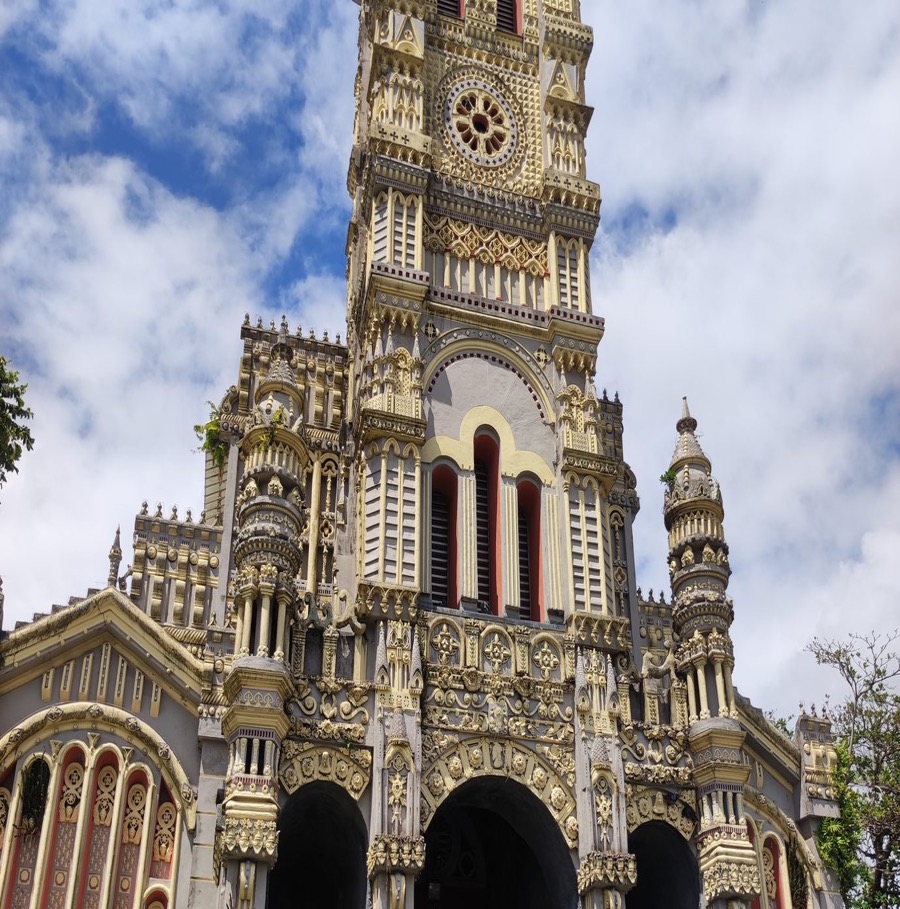
Hell-Bourg is the only village on Réunion in the Plus Beaux Villages de France association, since 1999. People come for the Creole houses, their verandas and their fretted wooden valances, and for the strange impression of a nineteenth-century spa town set down at the bottom of a cirque.
The cirque road
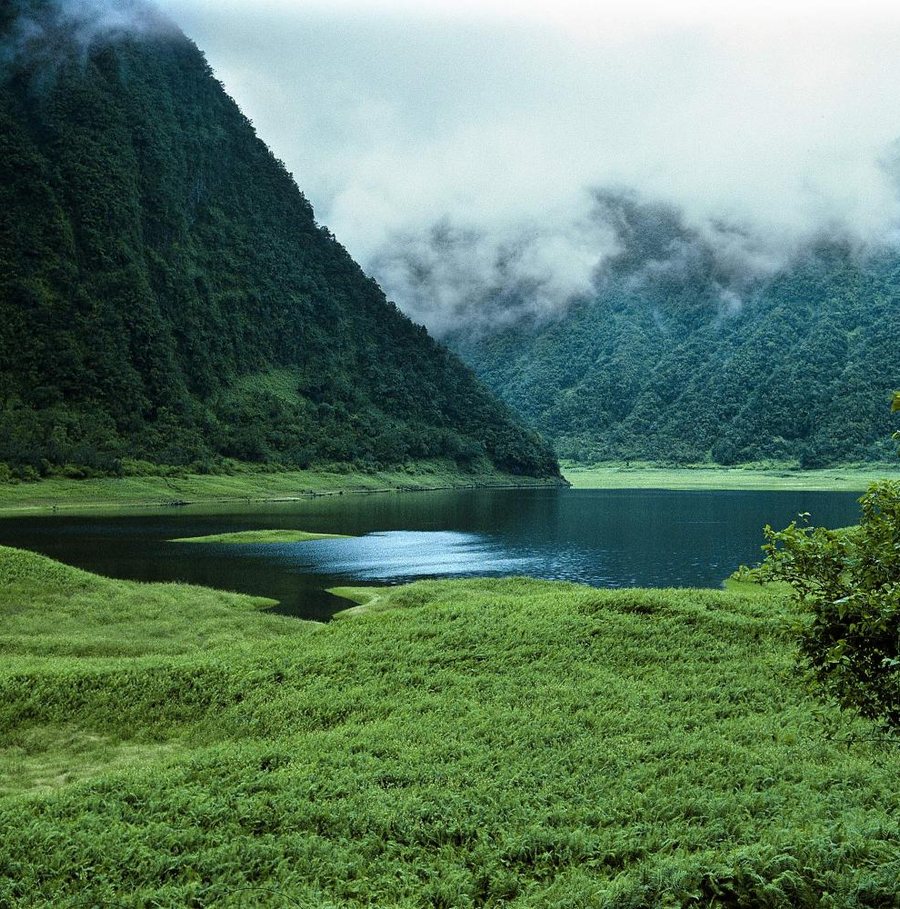
You leave the coast at Saint-André and climb alongside the Rivière du Mât. The road is spectacular and narrow: it works into a gorge, passes under dripping walls, and opens onto a cirque floor under full cultivation — this is chouchou country, its trellises covering the banks.
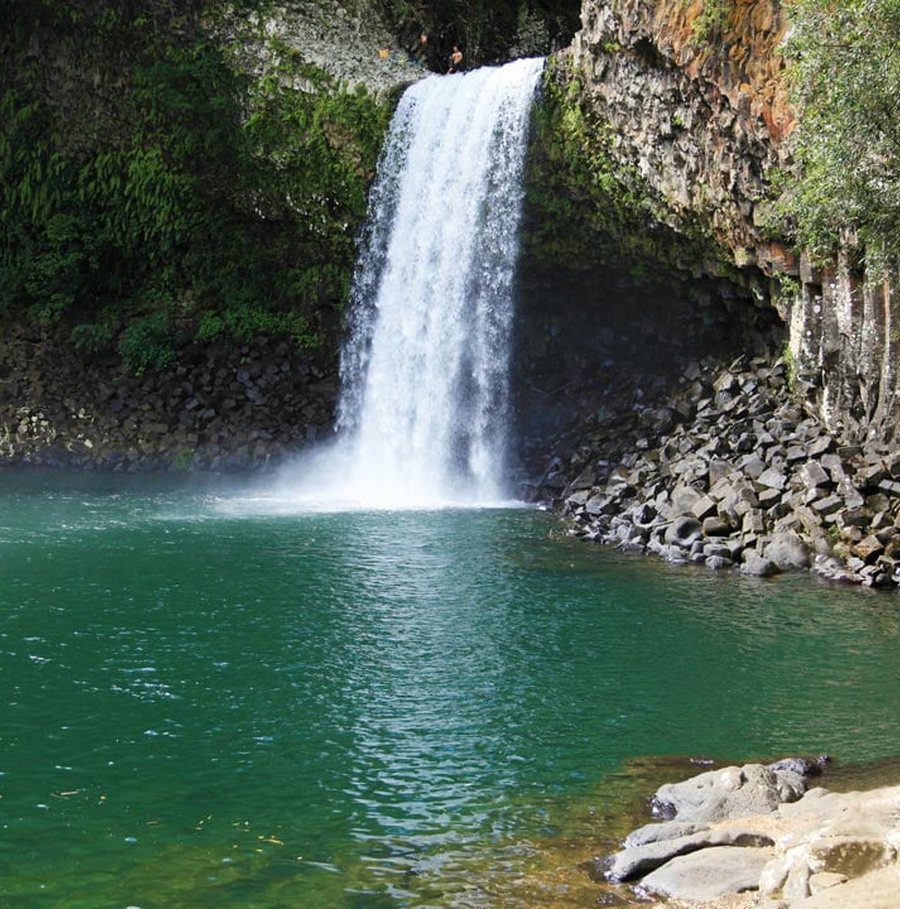
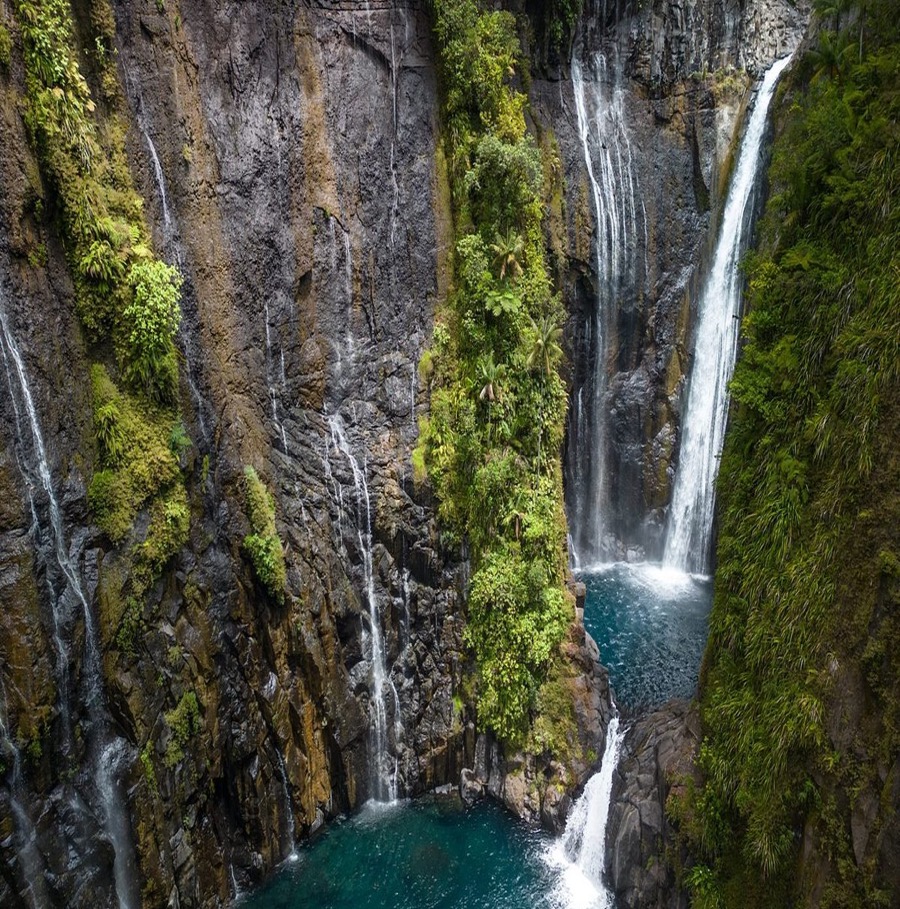
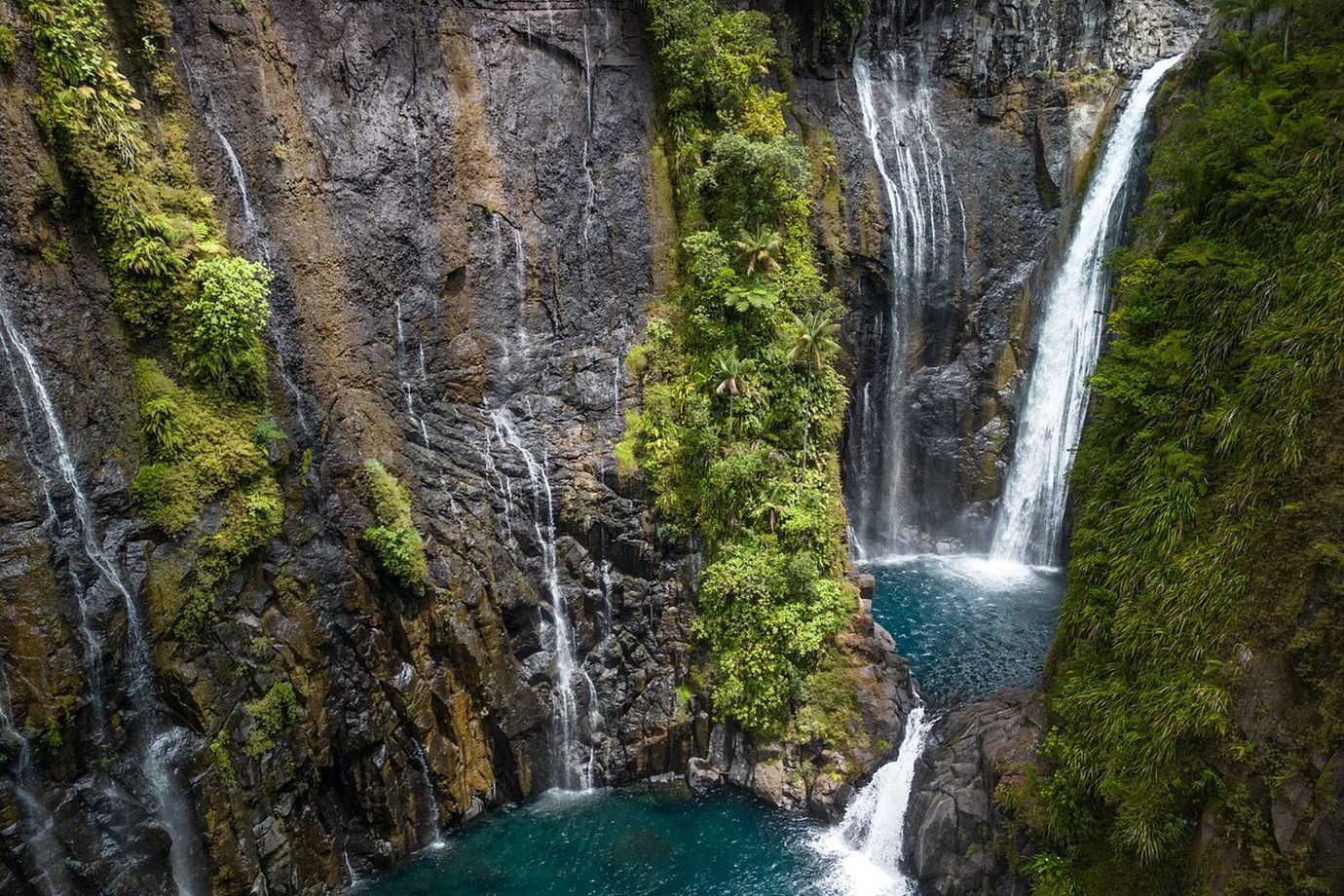
On the way, the Voile de la Mariée — the Bridal Veil — is visible from the road on the left: a fall divided into several veils coming down a wall several hundred metres high. There is a lay-by to stop in; do not park on the road itself, it is too narrow.
In the village
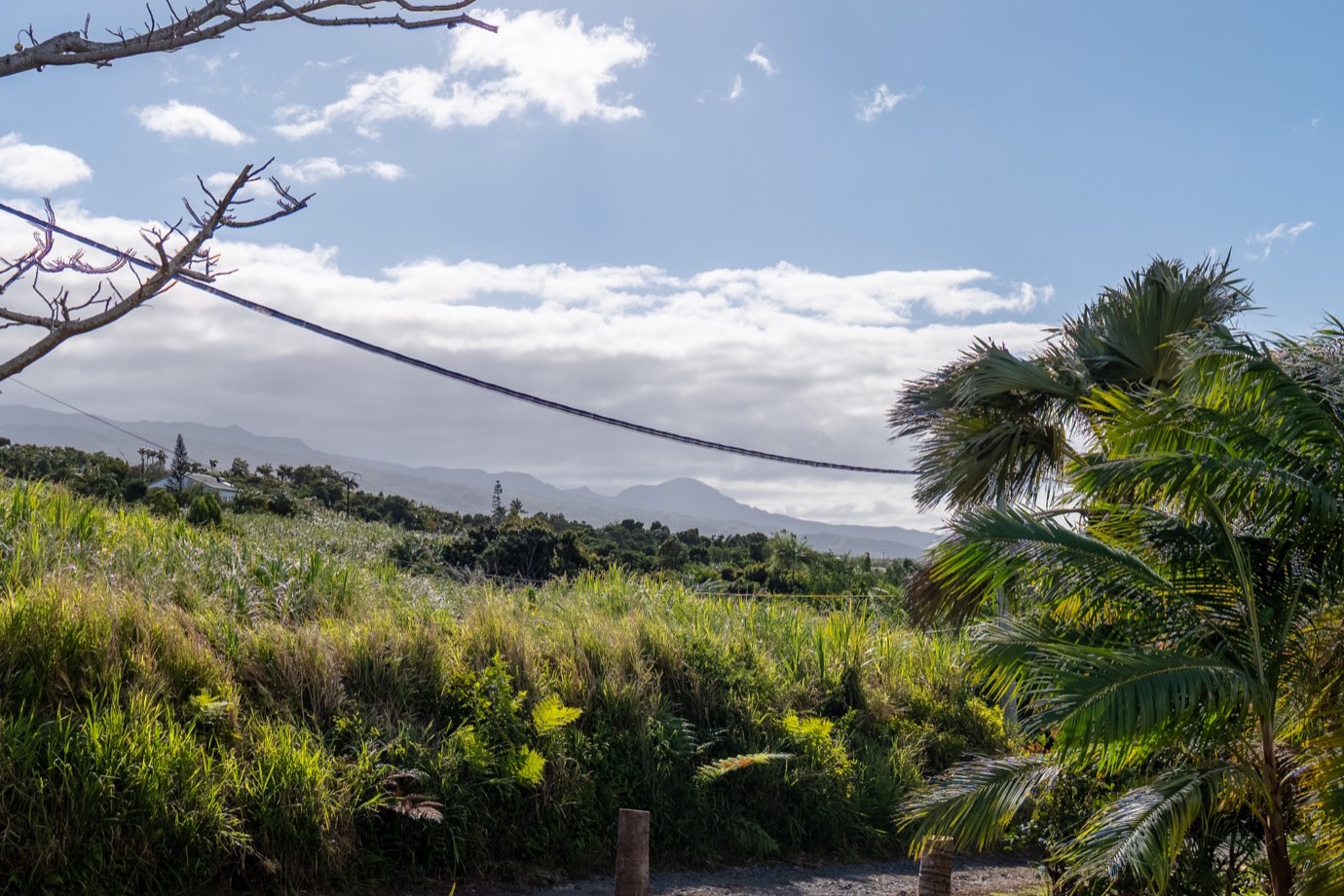
Hell-Bourg is walked in one to two hours. The main streets are lined with restored houses and their Creole front gardens — an ornamental garden at the front, a vegetable plot and medicinal plants behind.
The Folio house is the visit to make if you make only one: a late nineteenth-century home, furnished in period, with its veranda, its guétali and its garden. It charges admission, it is guided, and it takes about an hour. Opening times vary with the season: check with the eastern tourist office before driving up.
- The old thermal baths, now ruins, can be visited freely at the bottom of the village.
- Several places serve simple Creole food; book on Sundays.
- At 900 m it is five to eight degrees cooler than the coast, and it rains more often.
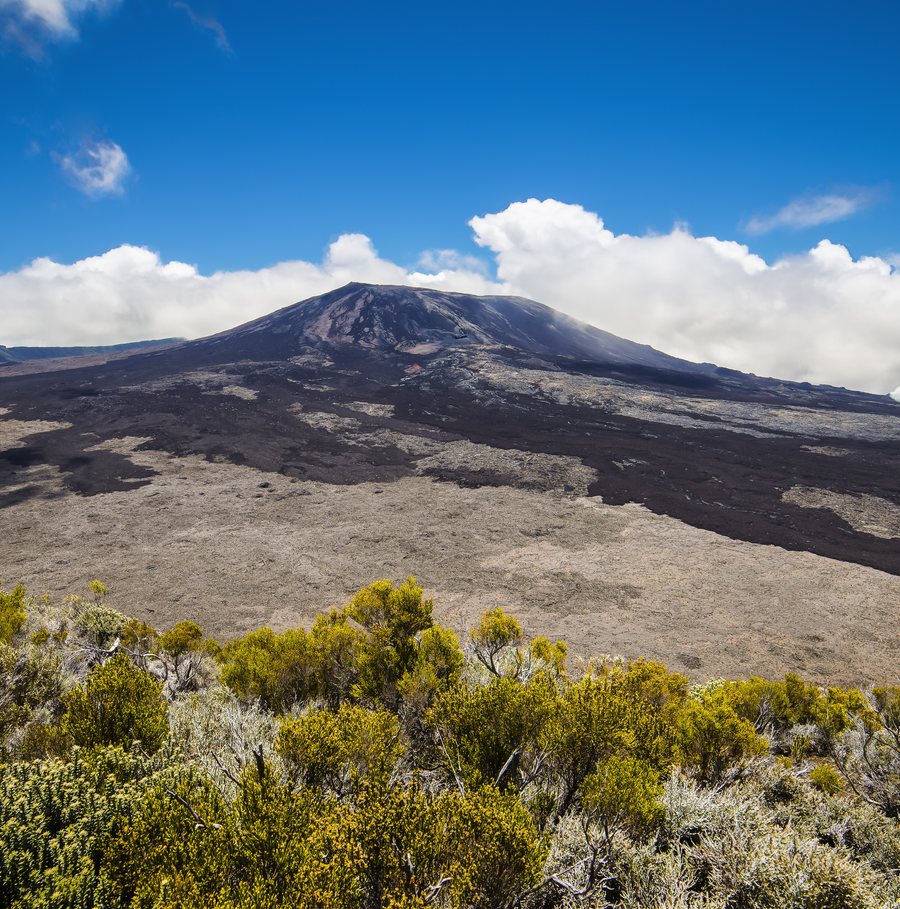
- It is the start of many hikes, including Piton d’Anchaing, which rises straight above the village.
Combining it with the forest
From Hell-Bourg the forest road climbs toward Bélouve and the Bébour-Bélouve forest, where the Trou de Fer trail begins. That is the logical pairing for a full day: the village in the morning, the forest after.
Mind the timing, though: as everywhere in the east, high ground clouds over in the middle of the day. If the programme has to be cut short, keep the forest for the morning and the village for the afternoon — the houses stay handsome under cloud, the Trou de Fer does not.
Frequently asked questions
How long is it from Saint-Benoît to Hell-Bourg?
About 40 minutes, via Saint-André and then the Salazie cirque road. From the west coast it takes more than twice as long.
Why is Hell-Bourg listed among the most beautiful villages in France?
For its Creole architecture: nineteenth-century houses with verandas, fretted wooden valances and Creole front gardens. It is the only village on Réunion in the association, since 1999.
Does the Folio house charge admission?
Yes, the visit is guided and charged, and lasts about an hour. Opening times vary with the season: check with the eastern tourist office before driving up.
Where can you see the Bridal Veil waterfall?
From the cirque road, on the left as you climb toward Hell-Bourg. There is a lay-by; the road itself is too narrow to stop on.
Is it cold in Hell-Bourg?
The village sits at around 900 m: expect five to eight degrees less than on the coast, and more frequent rain. An extra layer is useful all year.
Written in Saint-Benoît, where we rent the bungalow, and updated on September 13, 2026. Access and swimming rules change: we always point to the authority in charge rather than speaking for it.