When to go to Réunion
The essentials
- Best period
- May to October — the southern dry season
- Best compromise
- September and October
- Wet season
- November to April
- Cyclone risk
- November to April, peaking January to March
- Local school holidays
- December–January and July — sites are full
- Time difference
- +2 h in summer, +3 h in winter, from Paris
Réunion is in the southern hemisphere: the seasons are inverted. The austral winter, May to October, is the cool dry season; the austral summer, November to April, is hot, humid and cyclonic. That is the only genuinely structural thing to remember.
The rest comes down to microclimates. The island has more than two hundred, and the weather in Saint-Gilles tells you nothing about Saint-Benoît at the same moment. A forecast of “rain on Réunion” means very little.
May to October: the good period
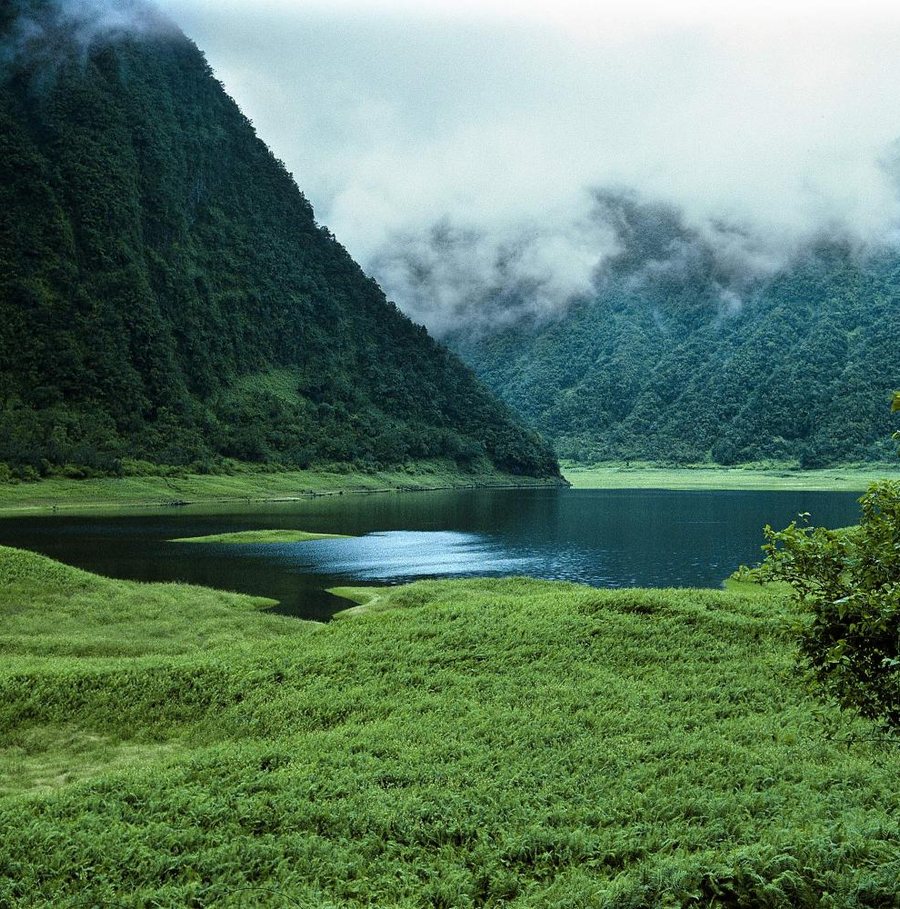
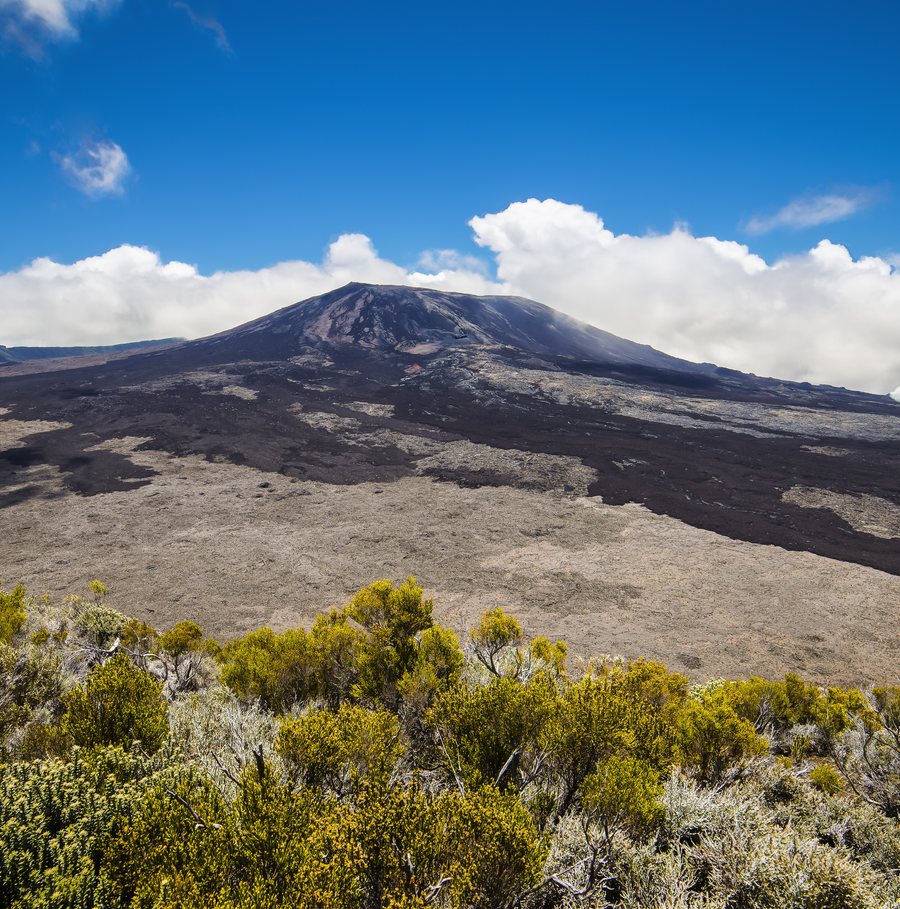
This is the dry season. Coastal temperatures run around twenty-two to twenty-six degrees, the air is drier, and the summits are clear more often. It is the hiking season: the volcano, the cirques and the high trails are at their best.
It is cool at altitude — reckon five to ten degrees less in the Hauts, and close to zero at dawn on the summit of the Piton des Neiges. July and August are the coolest and driest months; they are also humpback whale season, visible from the coast between July and October.
September and October are our recommendation: still dry, the sea warming, the vegetation picking up after winter, and both prices and crowds still reasonable.
November to April: the wet season
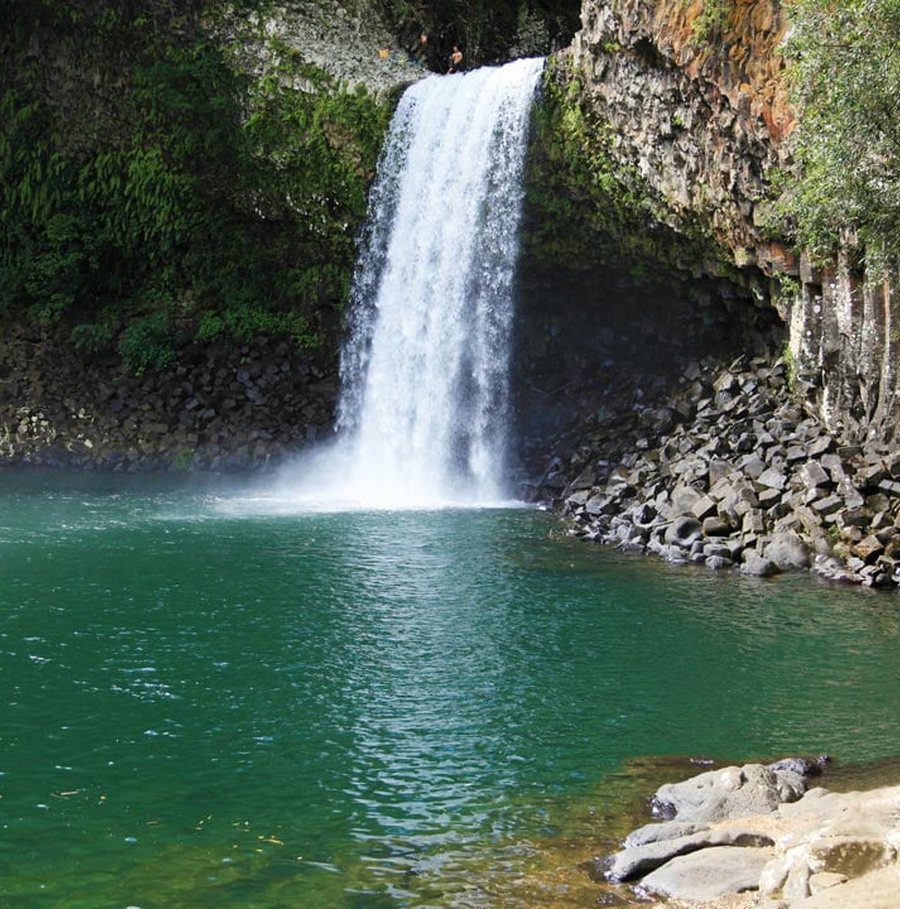
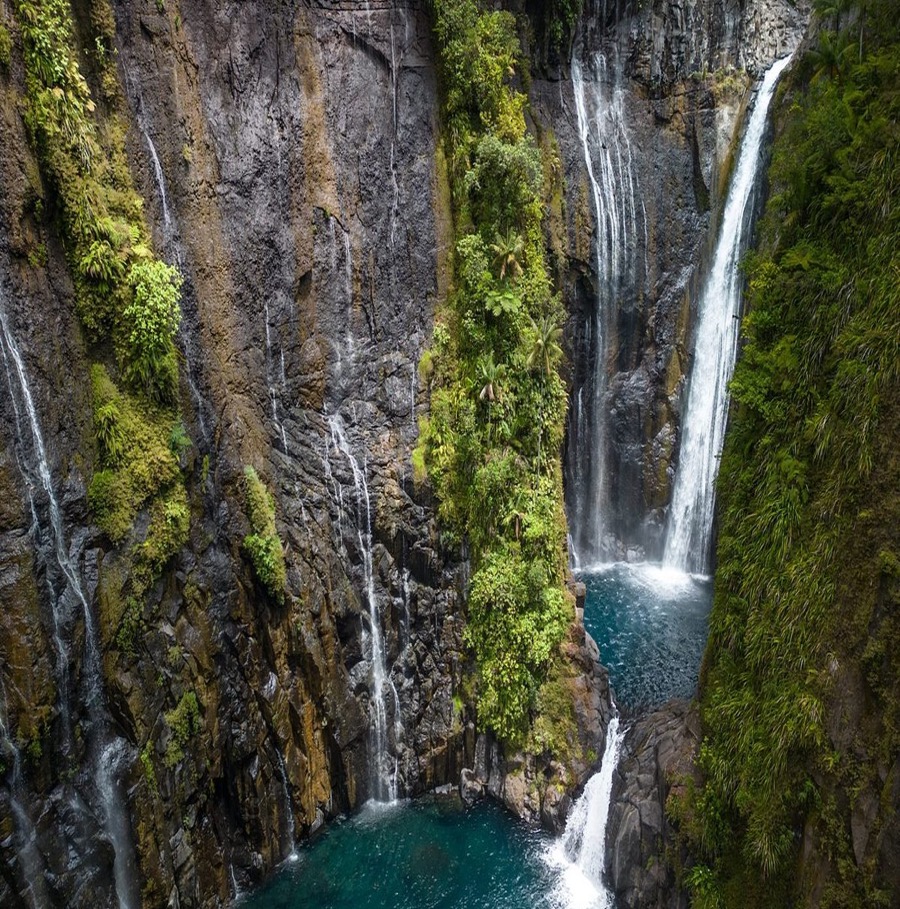
Hotter — up to thirty-one or thirty-two degrees on the coast — wetter, and less stable. Showers are daily, mostly in the afternoon and on the windward coast. The waterfalls are full, the vegetation is at its peak, and the photographs are often the best of the year.
It is also the cyclone season, running from November to April and peaking from January to March. A cyclone does not mean a ruined holiday: the alert system is well drilled, alerts generally last one to three days, and life resumes quickly. But it can cost you two days of programme, and that has to be accepted before booking.
- January and February are the wettest and riskiest months.
- March is still cyclonic but begins to dry out late in the month.
- December and January coincide with local school holidays: sites and mountain refuges fill up.
- Some trails close after heavy rain — closures are checked on the morning itself with the national park.
What the season changes, and where
In the west the dry season is properly dry and the wet season stays bearable. In the east, on the windward coast, the gap is sharper: it rains all year, more so in summer. But even in the wet season the pattern holds — usable morning, afternoon showers.
In practice the question is less “when to go” than “how to organise your days”. Leaving early solves half the problem, in any season.
The flight and the time difference
Eleven hours direct from Paris, no stopover. The time difference is two hours in metropolitan summer and three in winter — negligible, and one of the destination's great advantages: you arrive without jet lag and the first day is usable.
Fares peak during both metropolitan and local school holidays. Booking four to six months ahead for a July–August or Christmas departure makes a real difference.
Frequently asked questions
When is the best time to go to Réunion?
May to October, the southern dry season: less rain, mild temperatures, clearer summits. September and October offer the best compromise between weather, crowds and price.
When is cyclone season on Réunion?
November to April, peaking January to March. An alert generally lasts one to three days; the system is well drilled, but it can cost two days of programme.
What is the time difference with Réunion?
Two hours ahead of Paris in metropolitan summer, three in winter. The direct flight takes about eleven hours and there is no notable jet lag: the first day is usable.
Is it cold on Réunion in July?
On the coast, temperatures run around 22 to 24 °C — pleasant. At altitude it is five to ten degrees cooler, and close to zero at dawn on the summit of the Piton des Neiges.
Can you see whales on Réunion?
Yes, humpback whales pass offshore from July to October and can be watched from the coast or by boat, mainly on the west and south sides.
Written in Saint-Benoît, where we rent the bungalow, and updated on September 13, 2026. Access and swimming rules change: we always point to the authority in charge rather than speaking for it.