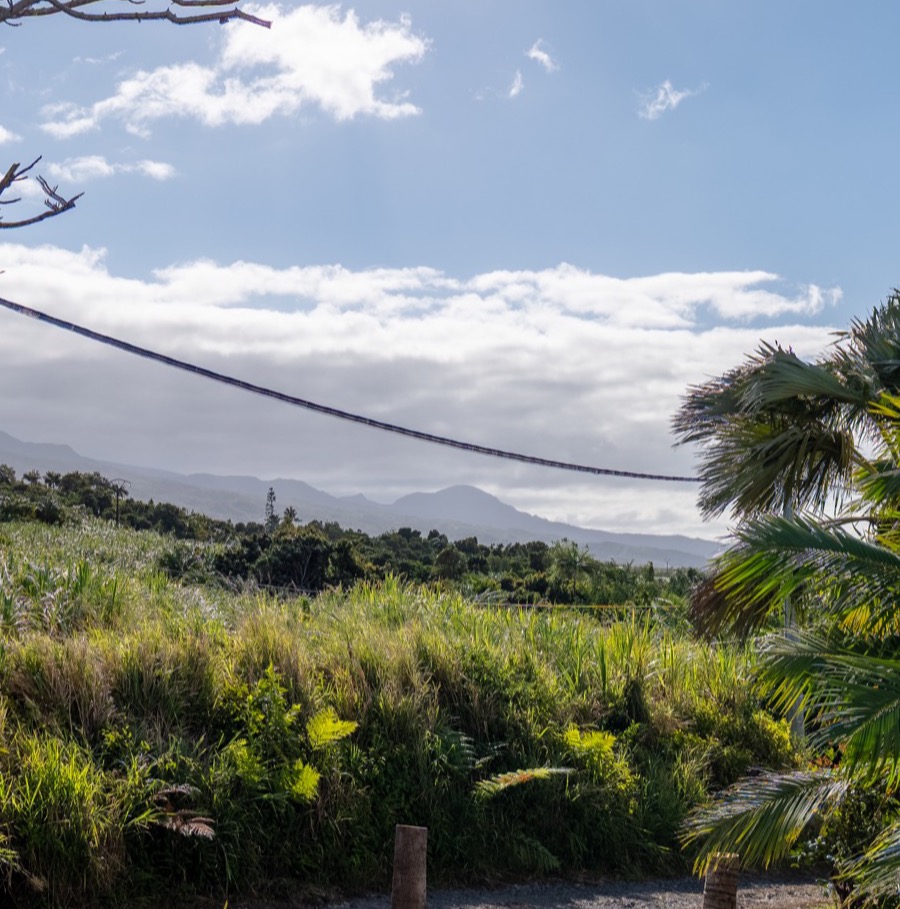
Does it really rain all the time?
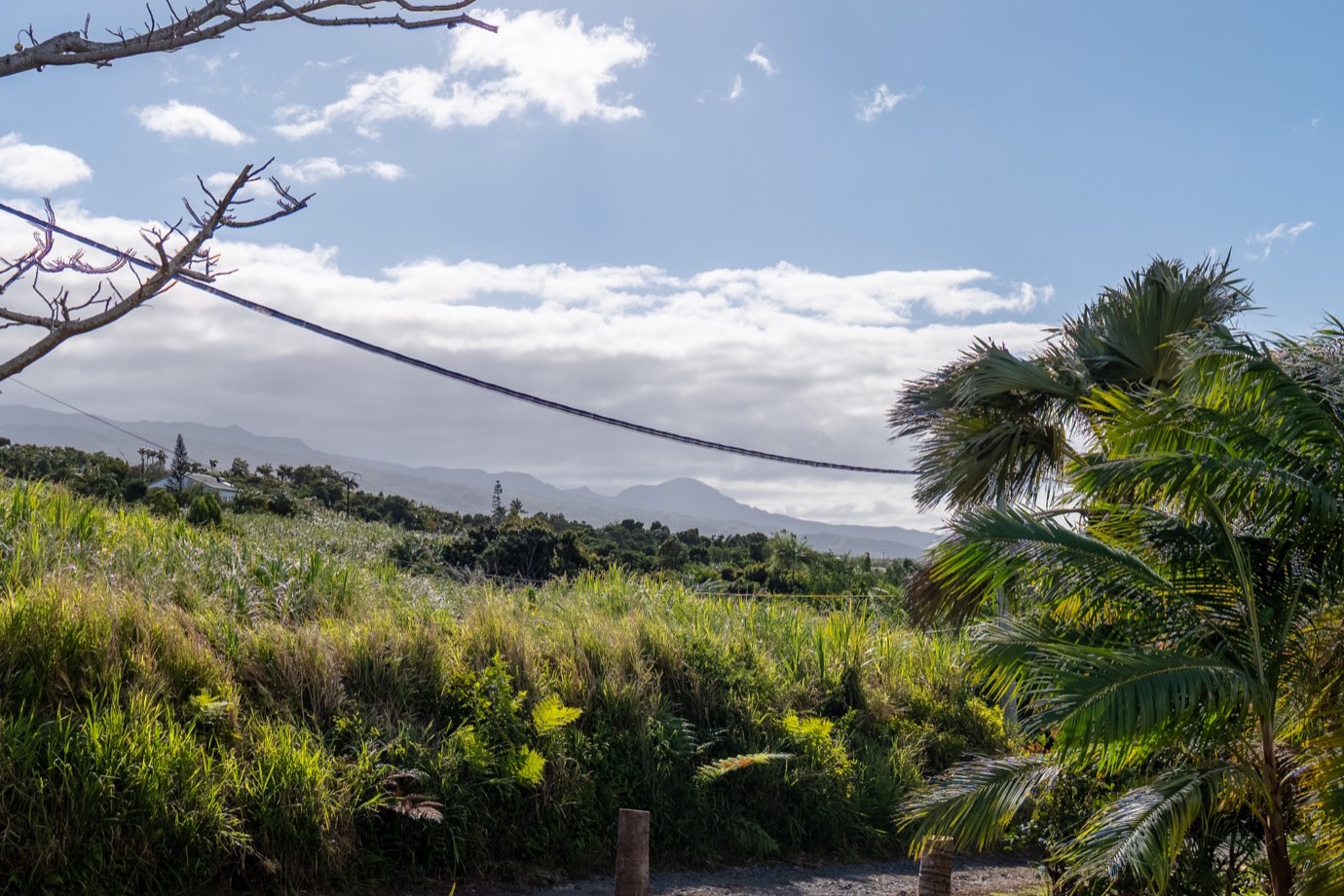
The essentials
- The truth
- it rains more in the east than the west, markedly
- The nuance
- mostly late in the day and on high ground
- Mornings
- very often clear on the coast
- Dry season
- May to October — the best period
- Wet season
- November to April, cyclones January to March
- The consequence
- you leave early, that is all
This is the objection we hear most often, and it is partly founded. Let us say it straight away: yes, it rains more on the east coast than on the west. A great deal more. Pretending otherwise would be dishonest and you would notice on day two.
What is false, on the other hand, is the picture people have of it: continuous grey rain from morning to night. That is not at all how it works, and the difference changes completely how you organise a stay.
Why it rains on this side
Réunion is swept by the trade winds, steady winds from the east. They arrive loaded with moisture after hundreds of kilometres of ocean, meet the island's relief — which rises above three thousand metres — and are forced upward. Rising air cools, the moisture condenses, and it rains.
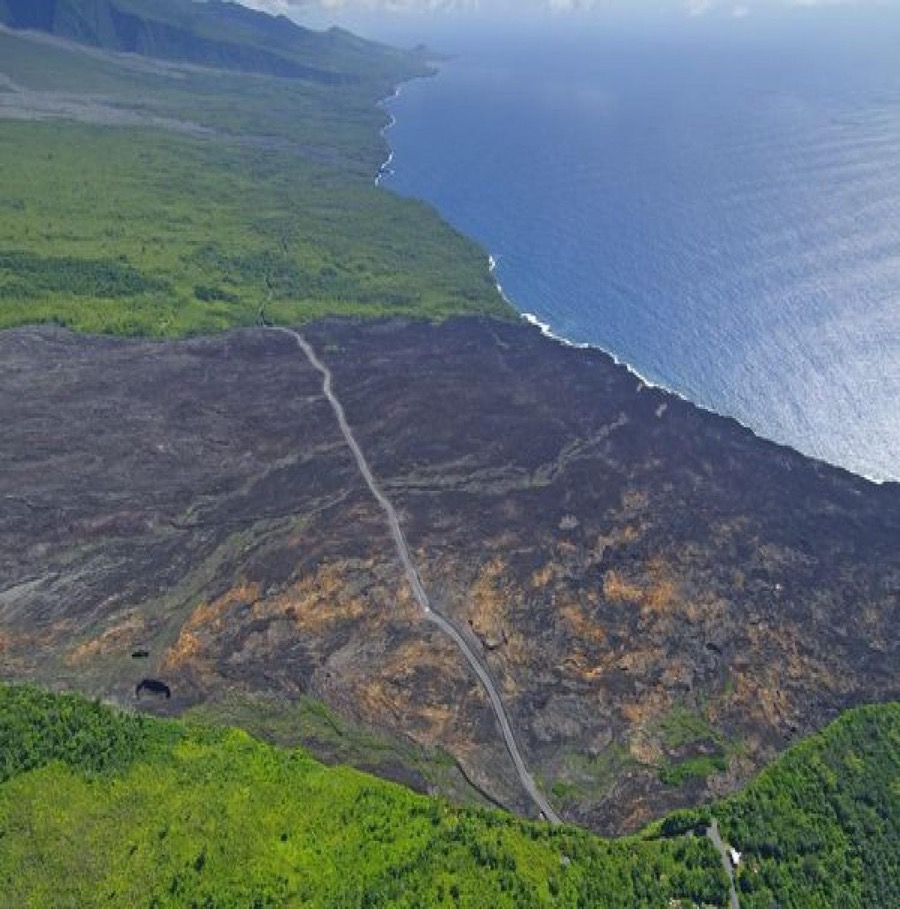
This is what is called the windward coast. On the other side the air comes back down dry and warmed: that is the leeward coast, the one with Saint-Gilles, the beaches and the sunshine. One island, two regimes, and more than two hundred microclimates in between.
When exactly it rains
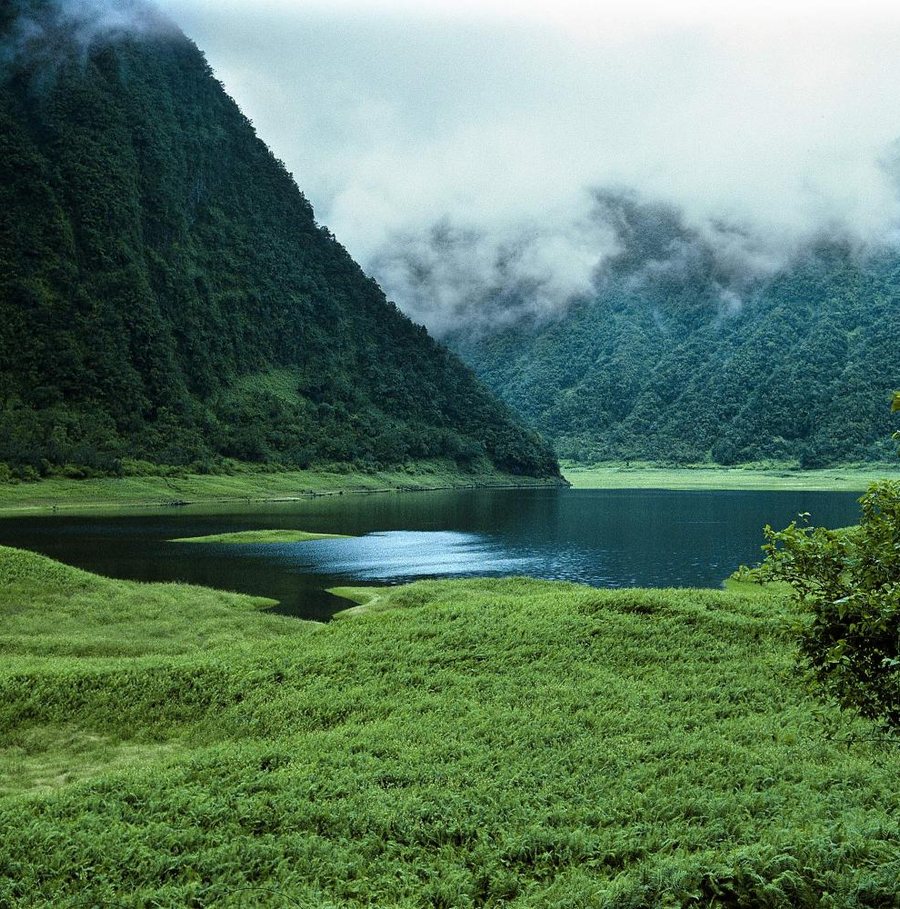
The dominant pattern on the east coast is this: a clear or lightly clouded morning, cloud climbing the relief by mid-morning, showers on the high ground in the afternoon, sometimes reaching the coast late in the day.
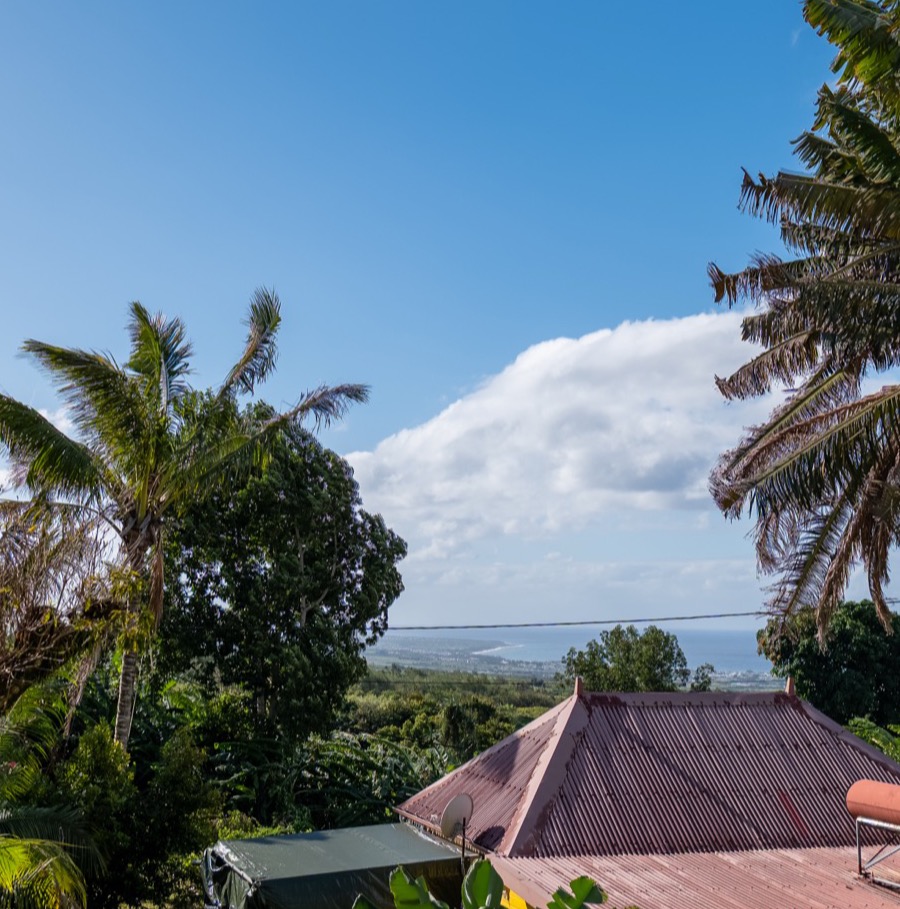
That means two things. First, the rain mostly falls where you will not be at that moment: up in the Hauts, at altitude, while you have come back down. Second, a morning in the east is very often usable — and that is exactly what we do with it.
- Showers are generally short and heavy, not long and fine. Twenty minutes, and it moves on.
- The temperature barely drops when it rains on the coast: you are not cold.
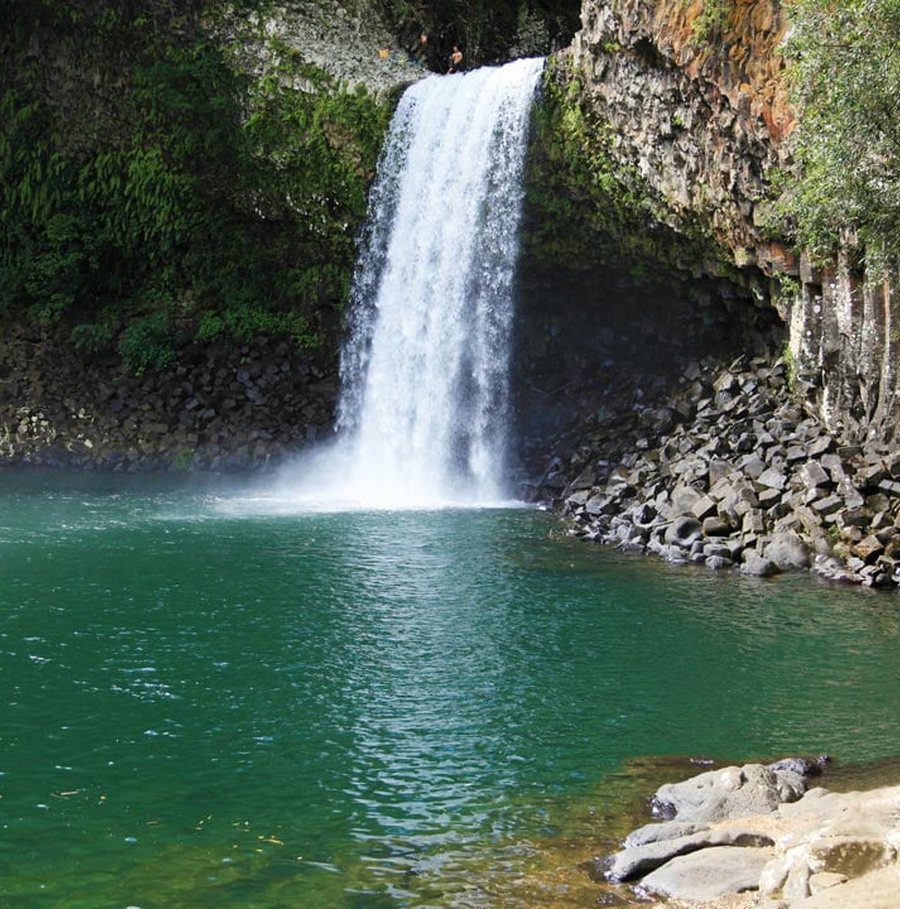
- A shower in the Hauts while you are on the coast can raise the rivers — that is the real practical consequence, see the pools.
- Morning sun on a landscape washed by the previous day's rain is one of the reasons we live here.
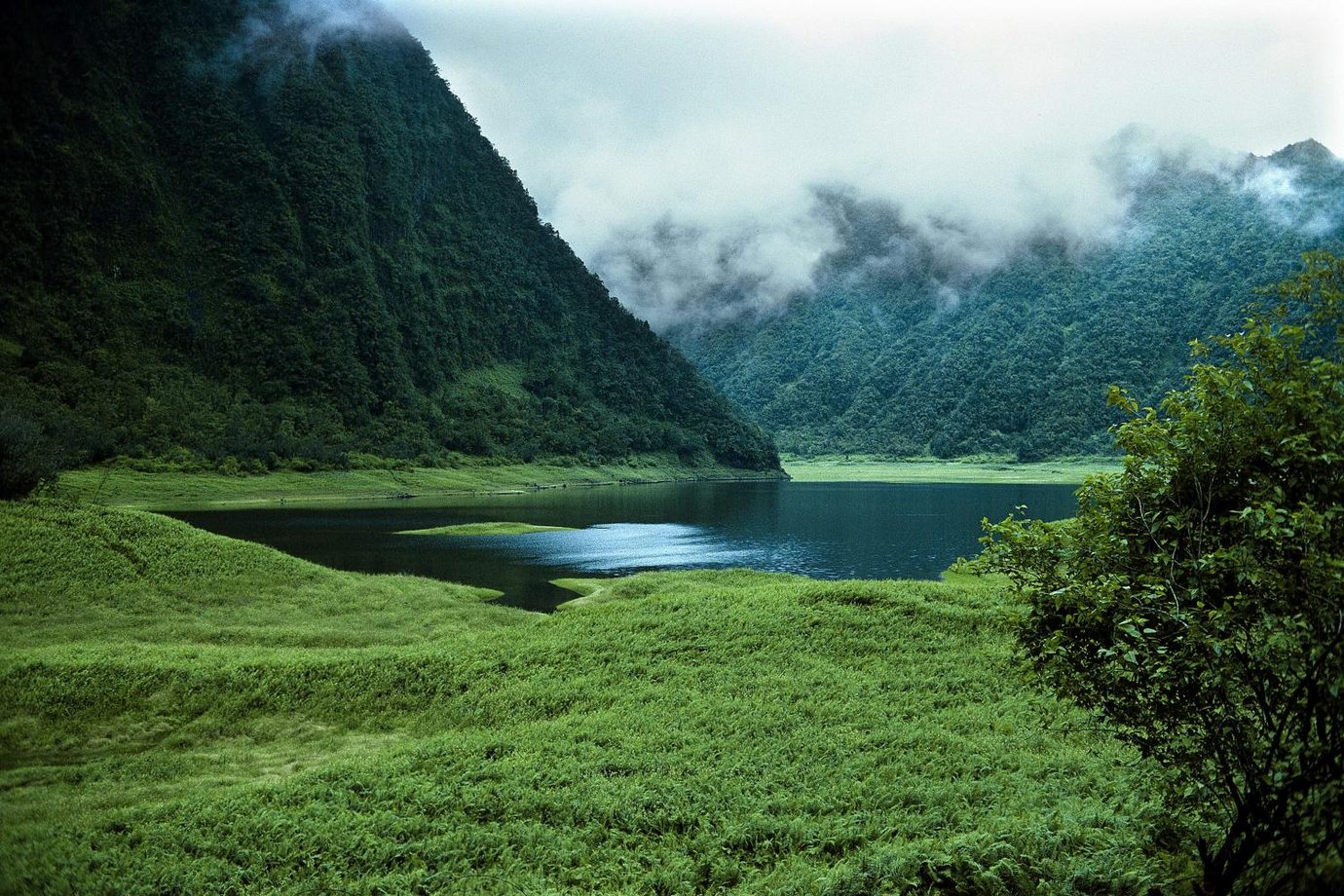
The rule that follows from all this
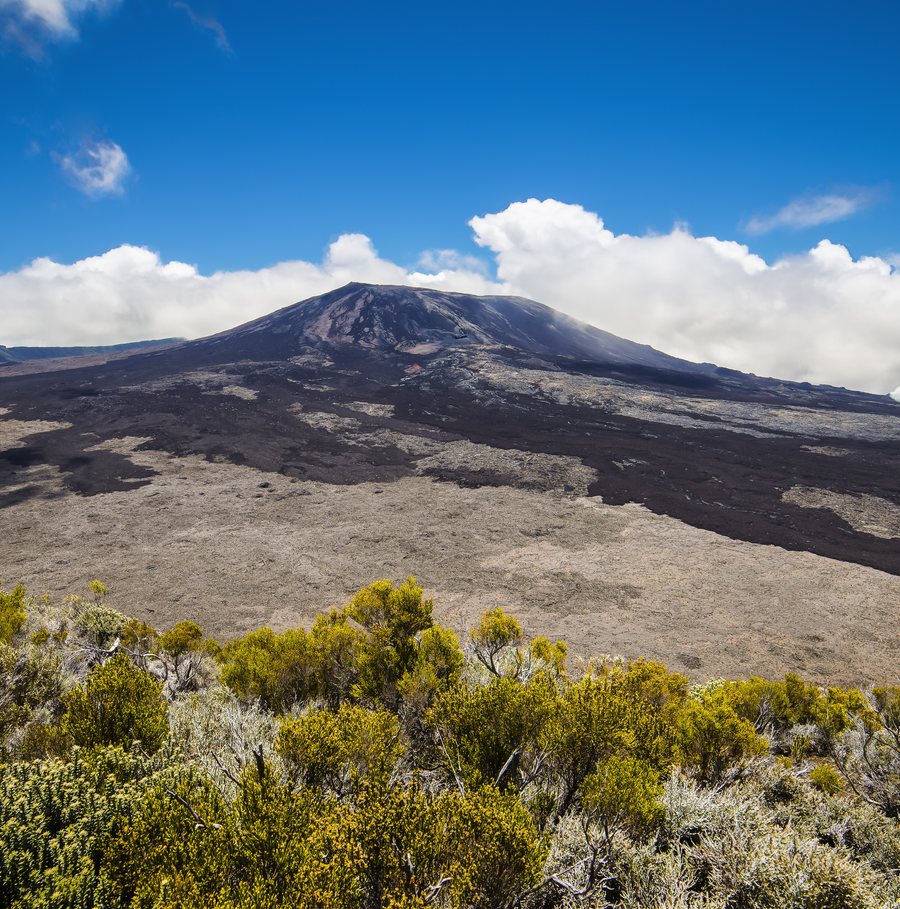
You leave early. That is the whole method, and it recurs on every one of our pages: Grand Étang before nine, Takamaka before ten, the volcano at four in the morning. This is not zeal: it is the only way to see the landscape before the cloud covers it.
A well-run stay in the east therefore looks like this: up early, outing in the morning, lunch, a quiet afternoon or a short outing, and the late-day shower finds you on a terrace with a glass in hand. In the west you do the opposite and wonder why it is so hot at noon.
And the seasons
From May to October it is the dry season of the southern hemisphere: less rain, mild temperatures, clearer skies more often. That is the best period, by some distance, for the east as for the rest of the island. September and October are a good compromise between weather, crowds and price.
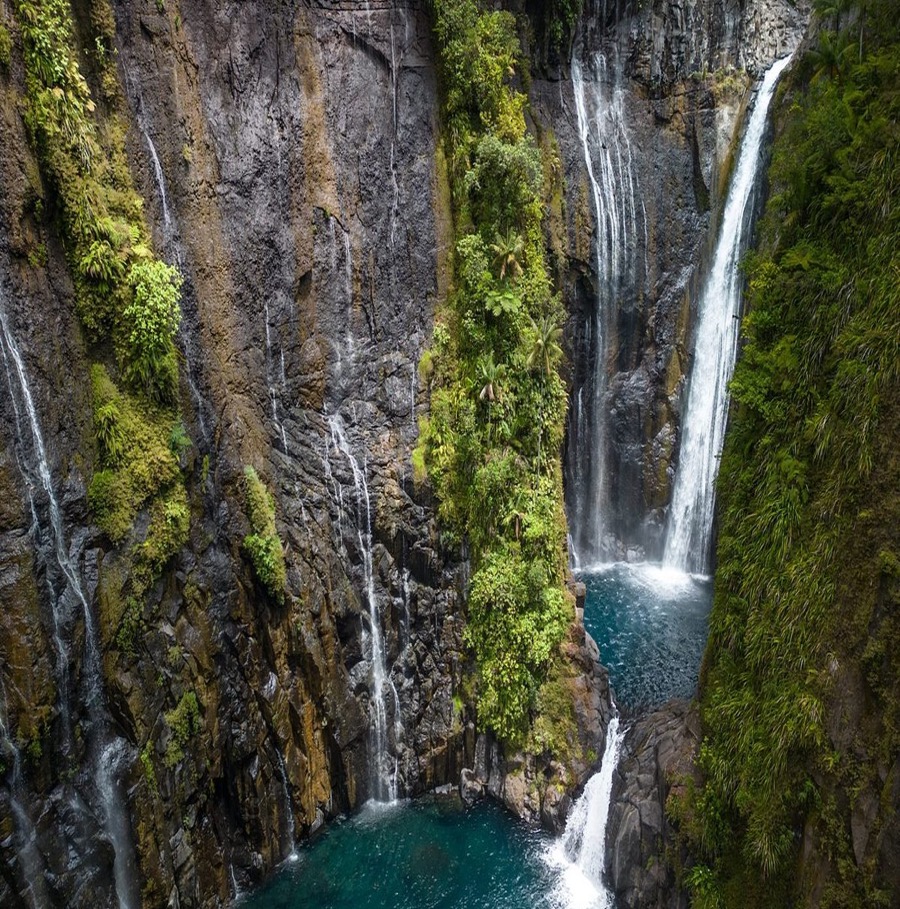
From November to April it is the wet season, hotter and wetter. Cyclone risk exists across that period and peaks from January to March. These are months you can still come — the vegetation is at its peak and the waterfalls are full — but you have to accept working with the sky and keeping the programme loose. The full detail is on our when to go page.
One thing does not change from one season to the next: in the east, the morning decides the day.
Frequently asked questions
Does it rain every day in the east of Réunion?
It rains markedly more than in the west, but rarely all day. The dominant pattern is a clear morning on the coast, cloud climbing the relief by mid-morning, and showers on the high ground in the afternoon.
Why does it rain more in the east than the west?
The trade winds come from the east, loaded with moisture. The relief forces them upward, the air cools and the moisture condenses: that is the windward coast. On the other side the air comes back down dry and warmed — the leeward coast.
When is the best time to visit the east?
May to October, the southern dry season: less rain and mild temperatures. September and October offer the best compromise between weather, crowds and prices.
Should you avoid the cyclone season?
Cyclone risk runs from November to April and peaks from January to March. You can travel in that period — the vegetation and waterfalls are at their best — provided you keep the programme loose and follow the alerts.
How do you plan your days around this weather?
By leaving early. Viewpoints and hikes are done in the morning, before the cloud climbs the relief. The afternoon is for short outings, the coast, or the terrace.
Written in Saint-Benoît, where we rent the bungalow, and updated on September 13, 2026. Access and swimming rules change: we always point to the authority in charge rather than speaking for it.