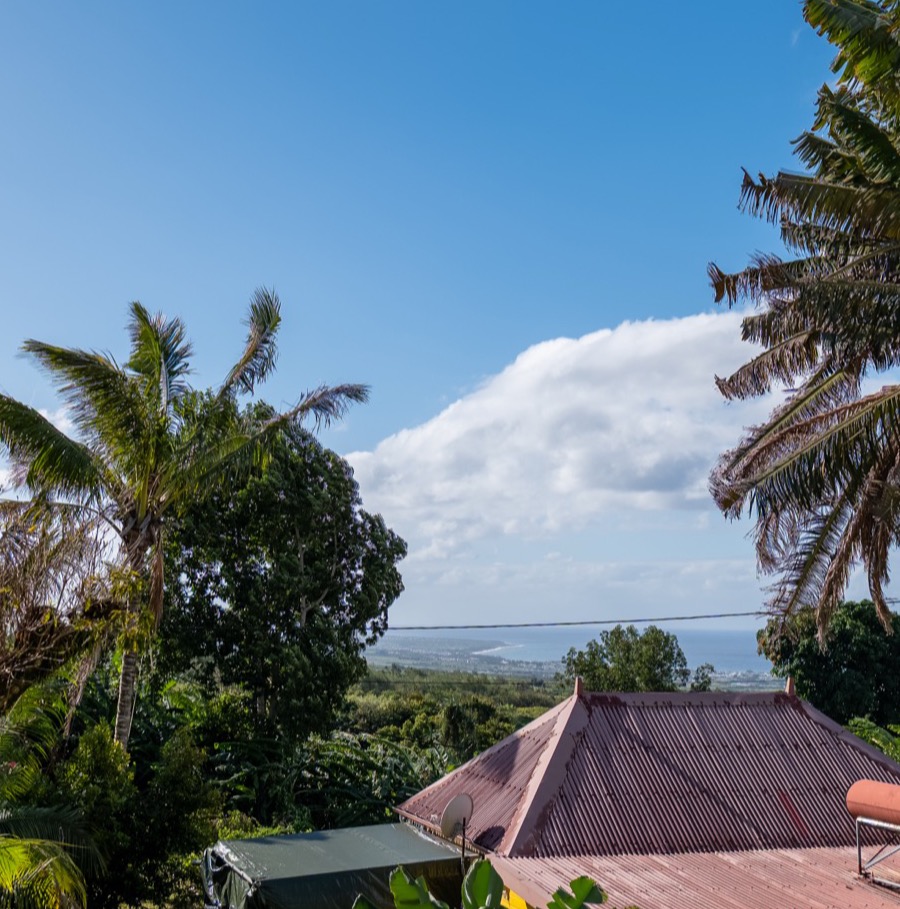
What to do on Réunion
The essentials
- Size of the island
- 70 km by 50 — but 2 h to cross it
- The three pillars
- the volcano, the cirques, the lagoon
- UNESCO listed
- pitons, cirques and ramparts, 40% of the island
- Highest point
- Piton des Neiges, 3,069 m
- Suggested length
- 10 to 14 days not to rush
- The rule
- one base per half of the island, not one per night
Réunion fits into seventy kilometres by fifty, and it takes two hours to cross. That is the first thing to understand: here, distance is counted in bends, not kilometres. The rest of the programme follows from it.
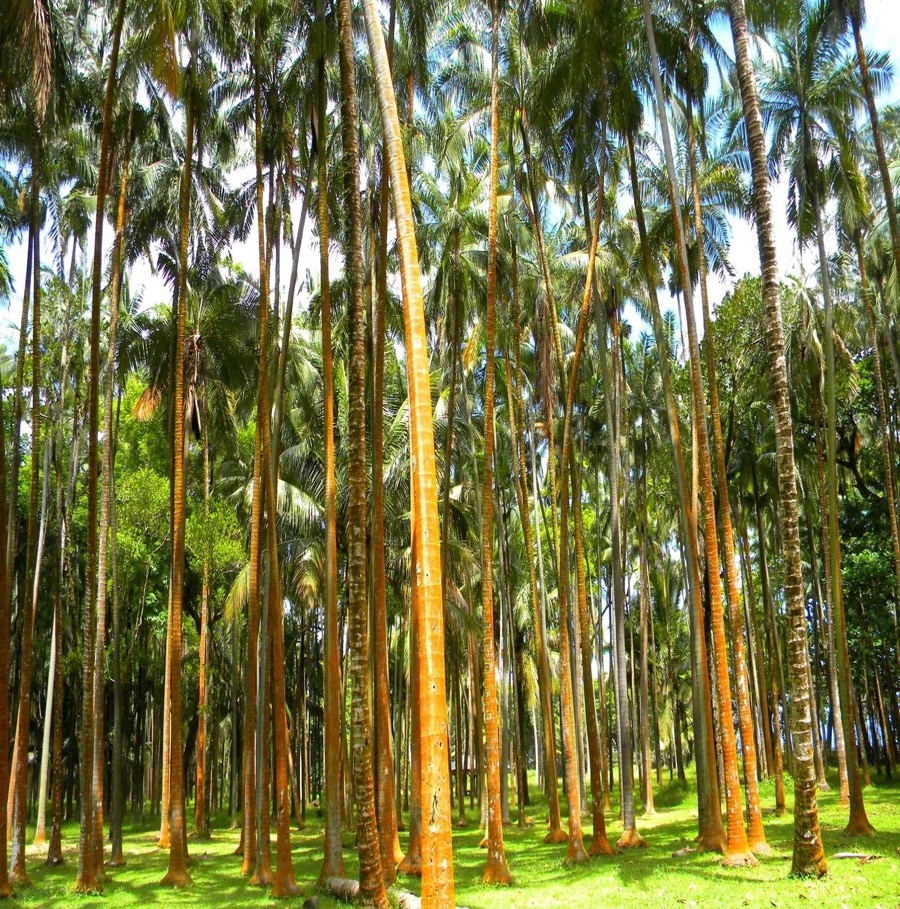
The island reads in three blocks — the volcano, the cirques, the coast — plus everything that happens in between: high-altitude forest, waterfalls, plantations. Here is what genuinely matters in each, and how much time to give it.
The volcano
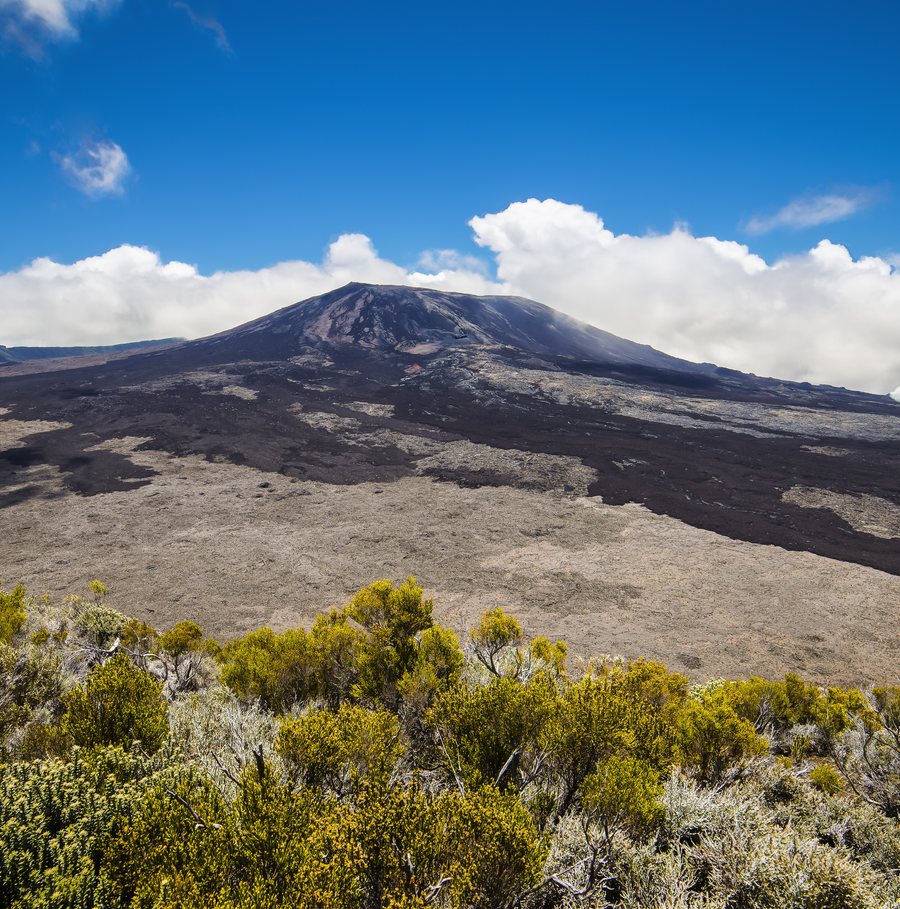
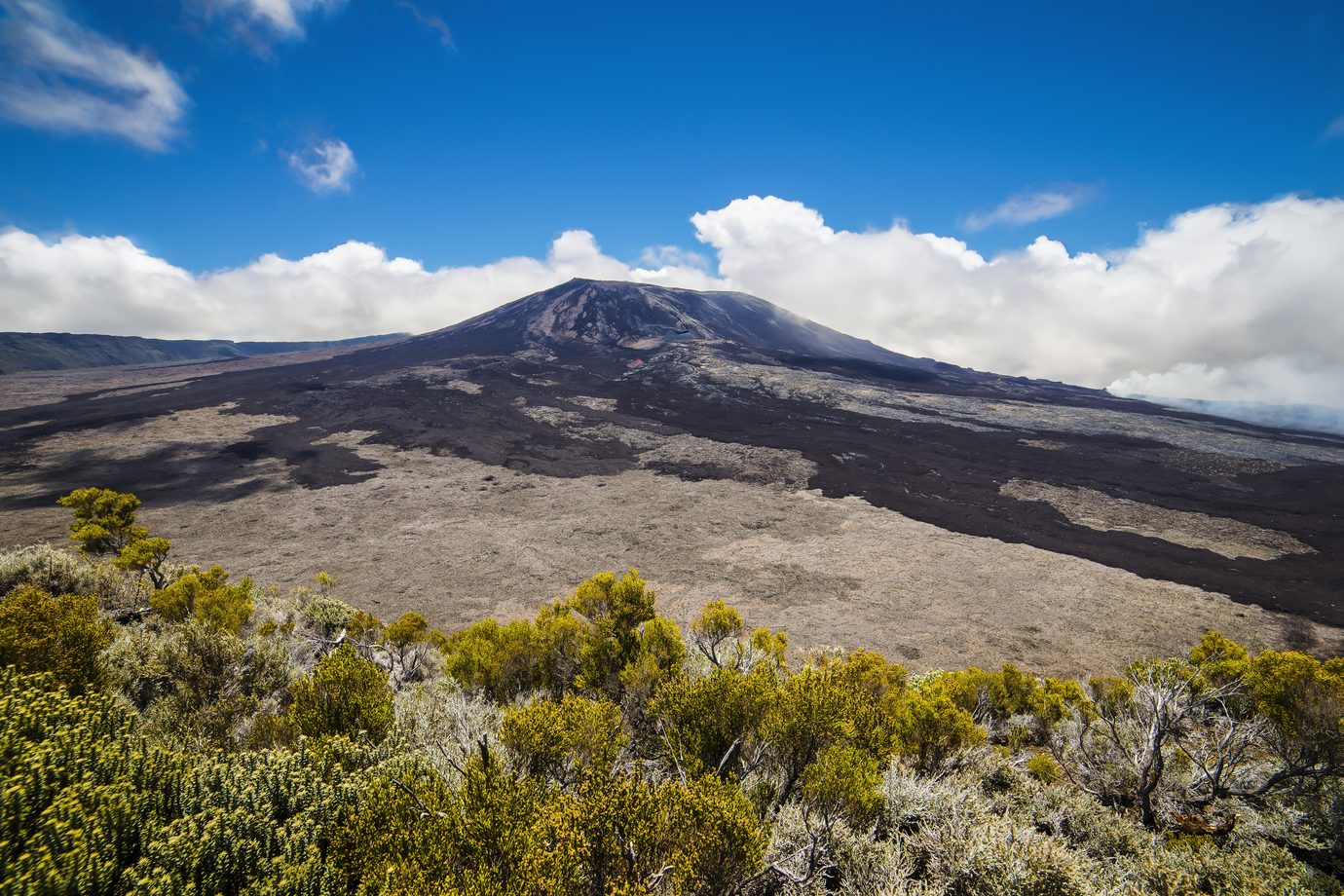
Piton de la Fournaise is one of the most active volcanoes in the world, and one of the few you can approach on foot without a guide. You park at the Pas de Bellecombe, drop into the enclosure, and five hours of walking there and back lead to the Dolomieu crater.
It is a full day, with a four-in-the-morning start — cloud arrives around ten and the afternoon is often closed in. Those who do not walk can settle for the Pas de Bellecombe belvedere, reached by car, and the Plaine des Sables road that leads to it: a landscape of red cinders you would take for Mars.
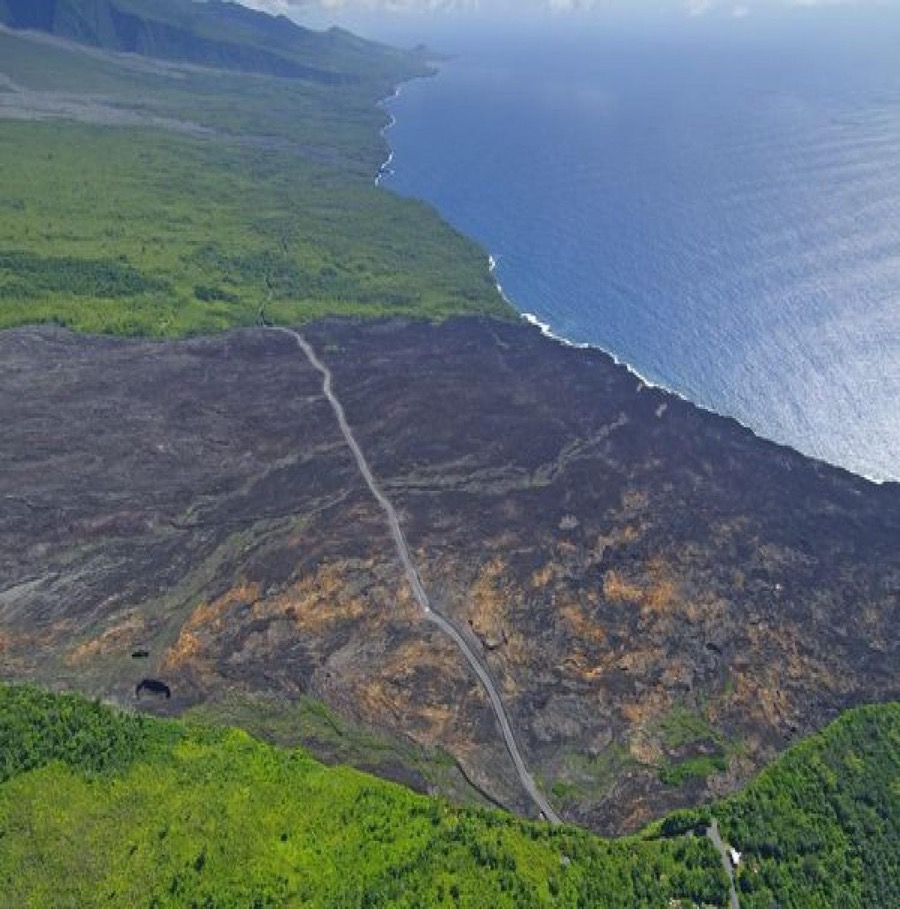
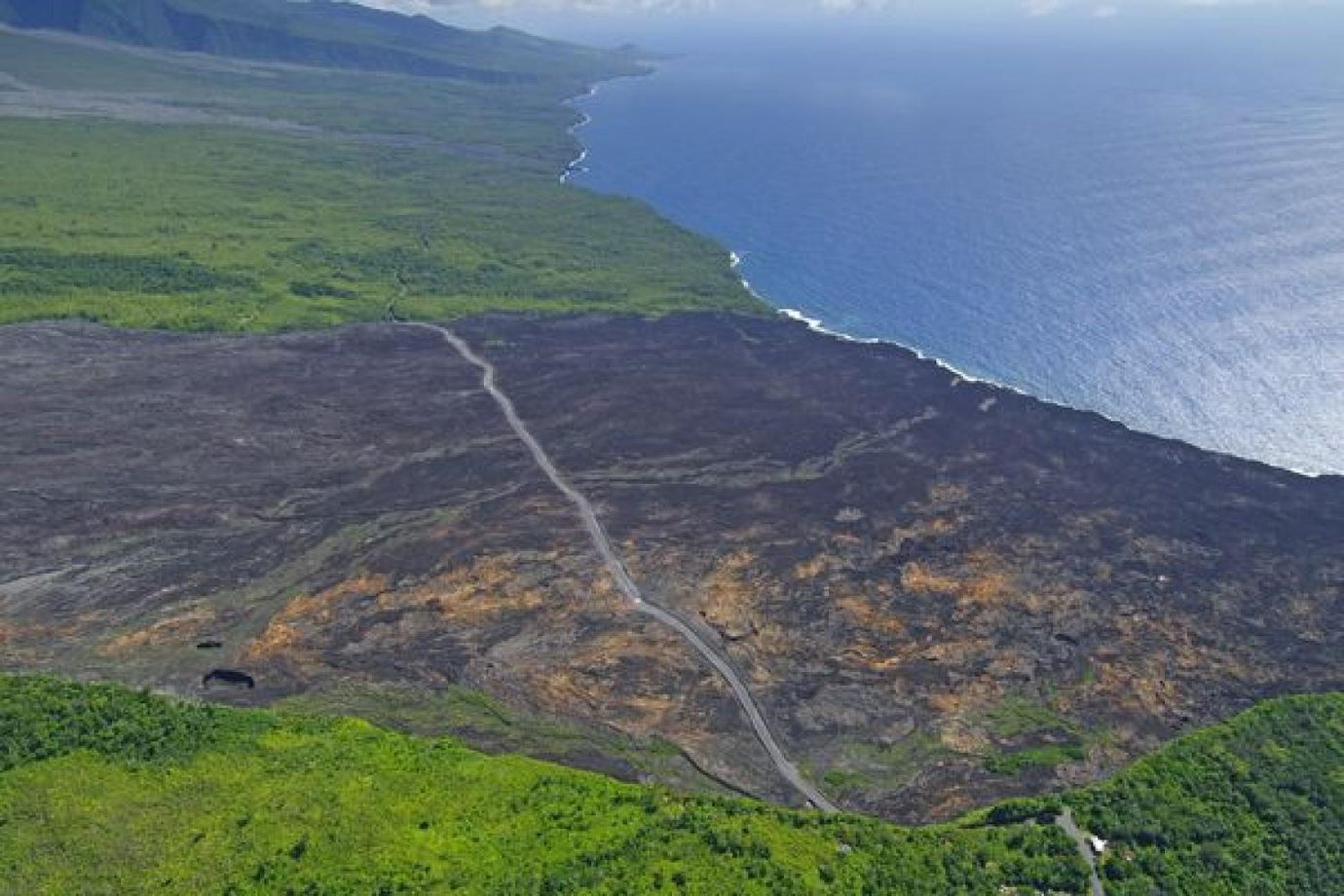
At the foot of the volcano, the Route des Laves crosses the flows that came down to the sea. It is the logical complement, and it is done by car.
The cirques
Three collapses of the Piton des Neiges massif, each with its own character. They are UNESCO World Heritage listed along with the pitons and ramparts — roughly 40% of the island's surface.
- <strong>Salazie</strong>, the greenest and most accessible, with Hell-Bourg, the only village on Réunion listed among the most beautiful in France. 40 min from the east coast.
- <strong>Cilaos</strong>, the driest and most mineral, at the end of a road of four hundred bends. Base for the Piton des Neiges ascent.
- <strong>Mafate</strong>, with no road: you enter on foot or by helicopter. It is the hikers' cirque, and it takes several days.
The lagoon and the beaches
They are all in the west, between Saint-Gilles and L'Étang-Salé: white sand, a lagoon protected by the coral reef, supervised swimming areas. That is where you swim in the sea, and nowhere else — outside those areas swimming is prohibited because of shark risk.
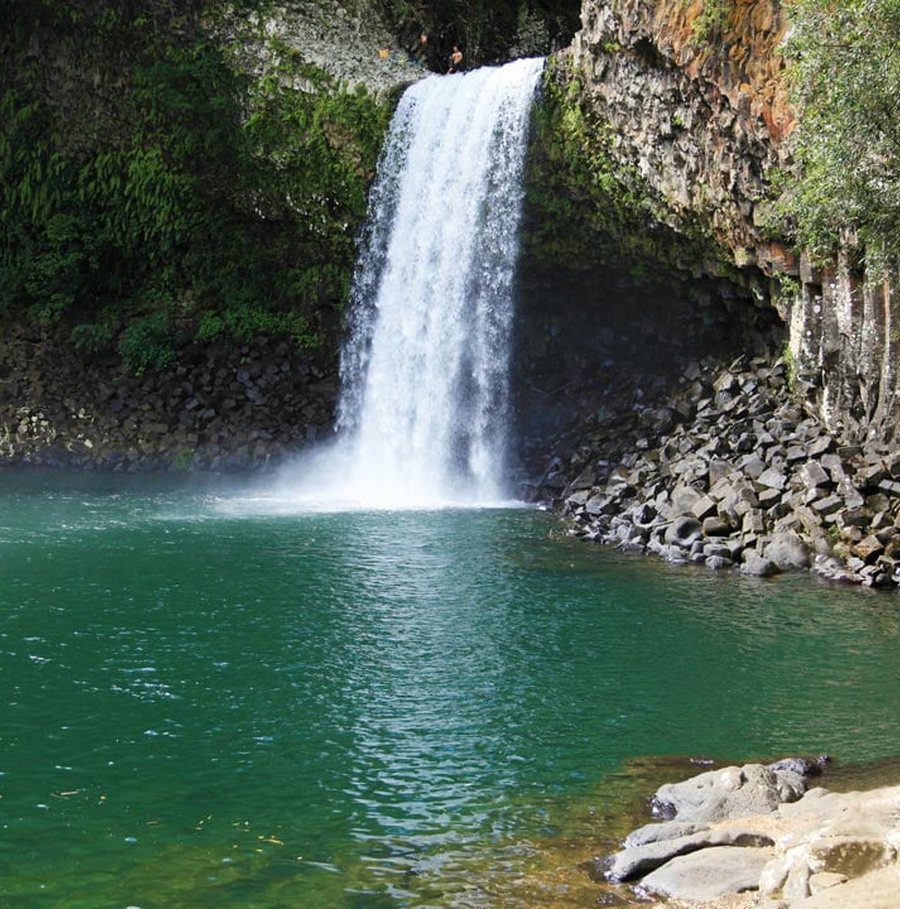
Elsewhere on the island you swim in fresh water: river pools, at the foot of waterfalls. It is a different experience, and on the east coast it is the only one.
The waterfalls and the forests
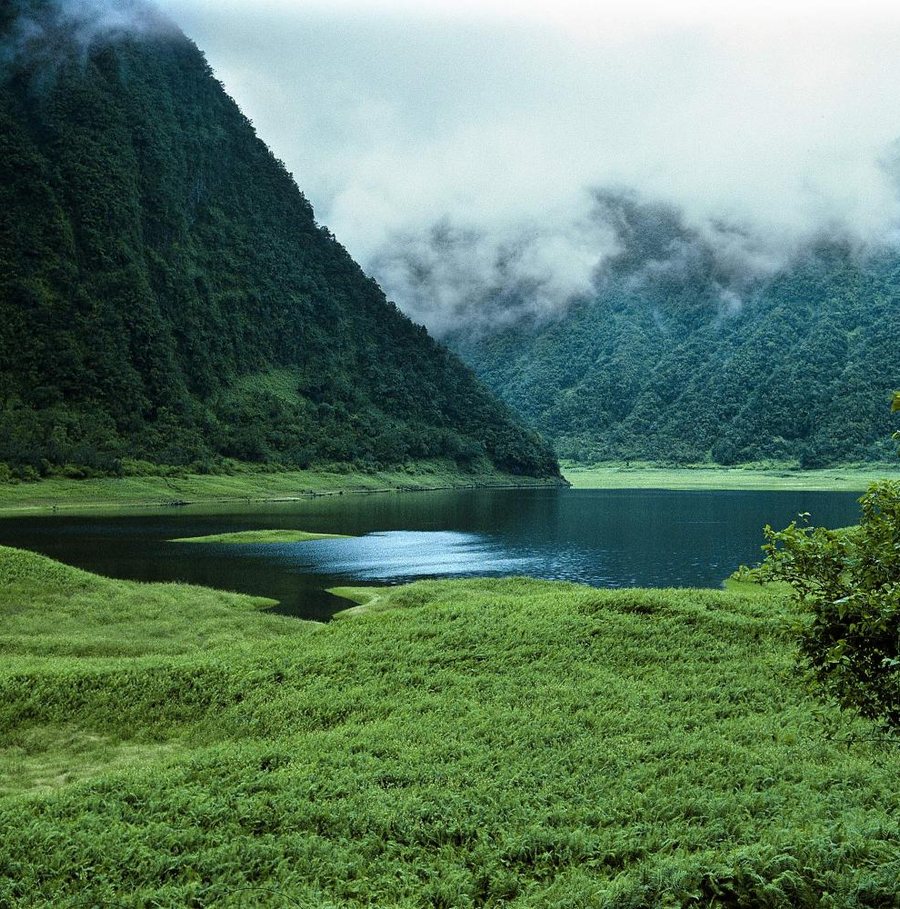
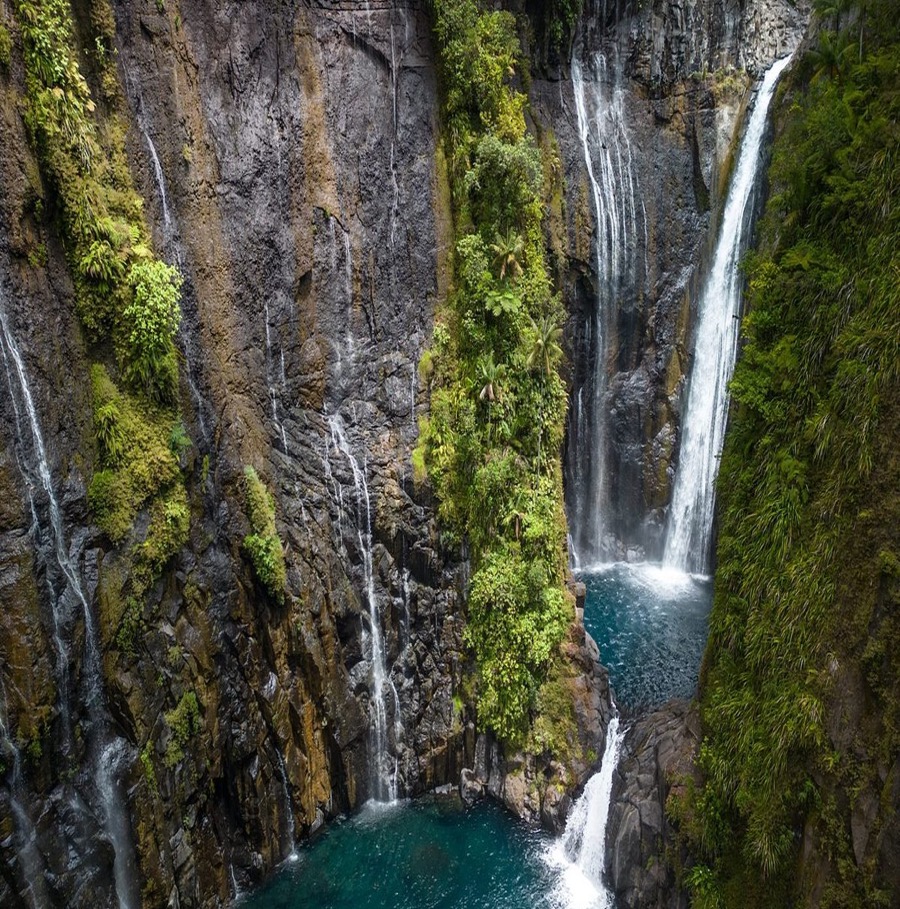
This is the windward coast's speciality, where the rain falls. Takamaka and its dozens of falls on a single wall, Bassin La Paix, Grand Étang, and the Trou de Fer at the end of a primary tamarin forest.
These sites have one thing in common: you see them in the morning. The relief clouds over in the middle of the day, and you will have driven out to look at fog.
In what order
With a week, choose one half of the island and commit to it. With two, take one base per half, with at least four nights each. What does not work is changing accommodation every day: on an island where average speed rarely exceeds fifty kilometres an hour, you spend the holiday packing and unpacking.
Our week in the east details the first option; the ten-day itinerary covers the whole island.
Frequently asked questions
What are the must-sees on Réunion Island?
Piton de la Fournaise and its Route des Laves, the three cirques (Salazie, Cilaos, Mafate), the west-coast lagoon between Saint-Gilles and L'Étang-Salé, and the waterfalls of the east coast — Takamaka, Bassin La Paix, Grand Étang, Trou de Fer.
How many days do you need for Réunion?
Ten to fourteen days cover the island without rushing, with one base per half. In a week, better to choose one half and explore it properly than to skim everything.
Can you drive around Réunion in a day?
The coast road is about 210 km and can be looped in a day, but without seeing anything. The island is 70 km by 50 and takes two hours to cross: distance here is counted in bends, not kilometres.
Do you need to be fit to visit Réunion?
No. The volcano, the cirques of Salazie and Cilaos, the Route des Laves, the lagoon and most waterfalls are reached by car or with a short walk. Only Mafate and the Piton des Neiges require a real hike.
Which is the most beautiful part of Réunion?
It depends what you are after: the west for beaches and the lagoon, the east for waterfalls, vegetation and proximity to the volcano, the Hauts for the cirques and hiking. Most stays combine at least two of the three.
Written in Saint-Benoît, where we rent the bungalow, and updated on September 13, 2026. Access and swimming rules change: we always point to the authority in charge rather than speaking for it.